Moving to San Diego’s coast-adjacent communities can feel exciting and overwhelming at the same time, especially when you are trying to balance lifestyle goals with a fast-moving luxury market. If Carmel Valley is on your shortlist, you likely want more than a home search. You want clarity on what the area offers, how competitive the market is, and what to expect before you write an offer. This guide will help you understand the essentials so you can move forward with confidence. Let’s dive in.
Why Carmel Valley draws relocation buyers
Carmel Valley is a master-planned community in San Diego along the Interstate 5 corridor, east of Del Mar and Interstate 5. According to the City of San Diego, the area includes corporate offices, hotels, shopping, restaurants, neighborhood parks, a community recreation center, open spaces, and an extensive trail system.
That mix appeals to many relocation buyers because it combines everyday convenience with a polished residential feel. The community plan also notes that development was concentrated on mesa tops while valleys were left largely untouched, which helps give Carmel Valley its open-space character.
For buyers coming from out of area, that balance can be especially attractive. You can find neighborhoods with access to retail and dining while still enjoying trails, parks, and a more spread-out setting than some denser coastal neighborhoods.
What luxury buyers should know about location
Carmel Valley is often associated with easy access to both lifestyle amenities and the coast. Listing examples in the area frequently highlight proximity to Torrey Pines State Beach, One Paseo, Del Mar Highlands, trails, and neighborhood retail, although those distances and conveniences vary by sub-neighborhood and by property.
In practical terms, that means your day-to-day experience can change a lot depending on where you buy. One home may feel closely tied to shopping and dining, while another may feel quieter and more connected to open space.
For relocation buyers, this is one reason local guidance matters. Two homes with similar price points can offer very different patterns of access, privacy, and neighborhood rhythm.
Carmel Valley housing options
Carmel Valley has a mixed housing stock rather than a single home style or product type. Market inventory typically includes single-family homes, townhouses, and condos or co-ops.
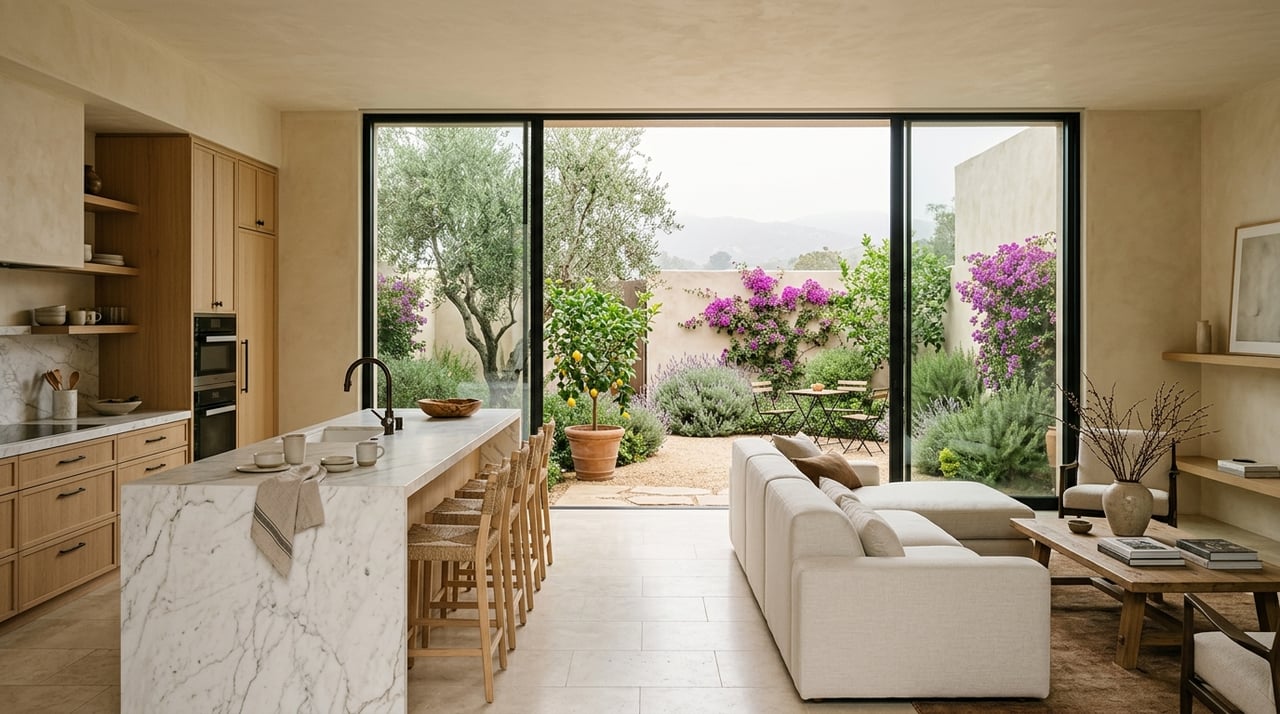
At the upper end of the market, current and recent listing examples often feature open-concept layouts, chef’s kitchens, updated finishes, attached garages, office or flex rooms, and indoor-outdoor entertaining spaces. Some also include pools, spa-style backyards, solar, or gated and club-style amenities.
These features are not universal, but they do show the type of lifestyle many buyers are seeking in the area. If you are relocating for a more turnkey experience, Carmel Valley often offers choices that align with modern living and low-friction daily routines.
Newer homes versus established homes
If you are comparing newer construction with an established resale home, each path has tradeoffs. New construction often brings modern layouts and builder warranties, while existing homes can offer quicker occupancy and a more established setting.
That distinction matters in Carmel Valley because newer subdivisions and attached-home communities are part of the local mix. In California, the Department of Real Estate requires a public report before a buyer becomes obligated in a new subdivision, and that report may cover CC&Rs, HOA costs and assessments, utilities, roads, soil or geologic conditions, zoning, use restrictions, hazards, and financial arrangements needed to finish the project.
For a relocation buyer, this is a valuable part of due diligence. It gives you a more complete picture of what ownership may involve beyond the home itself.
Carmel Valley market conditions in 2026
Carmel Valley remains a high-value market with relatively quick turnover, even though different data sources measure activity in different ways. Recent reports consistently place the area in the upper price tier with active buyer demand.
Here is a quick snapshot from the research:
| Source | Metric | Recent Reading |
|---|---|---|
| Redfin | Median sale price | $1.7 million |
| Zillow | Typical home value | $1,973,968 |
| Realtor.com | Median listing price | $1.96 million |
| Redfin | Median days on market | 22 days |
| Zillow | Days to pending | 13 days |
| Realtor.com | Days on market | 32 days |
Because these are different metrics, they are not direct apples-to-apples comparisons. Still, they point to the same takeaway: Carmel Valley is a seven-figure market where well-positioned homes can move quickly.
Is Carmel Valley still competitive?
Yes, the market remains competitive by most measures. Redfin describes Carmel Valley as very competitive, with many homes receiving multiple offers and some buyers waiving contingencies.
That does not mean every property behaves the same way. It does mean you should be prepared to move decisively when a home aligns with your goals, especially in the upper-tier segments that offer strong condition, location, and lifestyle features.
There are also signs of some softening depending on the metric. Redfin reported the March 2026 median sale price down 14.1% year over year, while Zillow’s home value index was down 1.4% over the prior year. For buyers, that suggests a market that is still premium and active, but not immune to shifts.
How to prepare before you start touring
Relocation buyers often gain an advantage by making a few key decisions before seeing homes in person. In a market where some homes go pending in roughly 13 to 22 days, preparation matters.
Start with these basics:
- Define your ideal property type, such as single-family, townhome, or condo
- Decide whether you prefer newer construction or an established home
- Build a target budget that includes more than just the purchase price
- Identify must-have features like office space, indoor-outdoor living, or gated amenities
- Be ready for the possibility of a competitive offer situation
This upfront work helps you evaluate homes faster and more confidently. It also reduces the chance of losing time on properties that do not fit your actual priorities.
What the California purchase process looks like
In California, escrow begins after the buyer and seller agree to terms and ends when the transaction closes. The California Department of Real Estate describes escrow as a neutral third-party process that holds funds and documents until the contract conditions are met.
In Southern California, escrow is most often handled by an independent company licensed by the DFPI, though title-company and broker-controlled escrows can also be used depending on the transaction. Buyers can usually negotiate the choice of escrow and title company.
For a relocation purchase, understanding this structure can make the process feel much more manageable. Once your offer is accepted, the transaction moves through a defined sequence rather than an informal series of steps.
Common contingencies to expect
California buyers commonly include contingencies related to financing, appraisal, inspection, and requested repairs. DRE guidance also points to pest and home inspections, repairs a buyer wants completed before closing, and specific timeframes attached to those items.
Earnest money is typically deposited into escrow when the purchase agreement is signed. In a competitive market, you may hear about buyers adjusting contingency timelines, but any decision on terms should be made with a clear understanding of the property and your comfort level.
Disclosures, title, and final walk-through
Before closing, you should expect seller disclosures about the physical condition of the property and any known hazards or defects. The title company typically conducts a title search and issues title insurance to protect the buyer and lender against unknown title defects.
The DRE also recommends a final walk-through before closing. For relocation buyers, this is an important last check to confirm the property’s condition and any agreed-upon repairs before funds are released.
Budget beyond the purchase price
In a high-end move, the purchase price is only part of the financial picture. A smart budget should also account for transaction and ownership costs that may show up before and after closing.
Your checklist should include:
- Earnest money deposit
- Inspection costs
- Appraisal costs where applicable
- Title and escrow fees
- Closing costs
- HOA dues or assessments if the property is in a managed community
- Possible supplemental property taxes after closing
That final item can catch relocation buyers off guard. San Diego County reassesses property when a home is sold to a new owner and sends a supplemental property tax bill separately from the regular tax bill.
Why supplemental taxes matter
If you are moving from out of state or from a market with different tax timing, this is worth planning for early. The supplemental bill reflects the reassessed value after the sale, so it can create an added post-closing expense that is separate from your regular property tax schedule.
In other words, your move-in budget should include some cushion. That is especially true if you are also furnishing the home, updating finishes, or managing a transition period between residences.
Smart relocation strategies for Carmel Valley
A successful purchase here usually comes down to speed, clarity, and due diligence. You do not need to rush blindly, but you do need a plan.
A strong relocation strategy often includes:
- Narrowing your target area before the most serious search begins
- Reviewing property-level details carefully, especially in newer subdivisions
- Understanding likely carrying costs, including HOA dues and supplemental taxes
- Preparing for a fast response if a well-priced home comes to market
- Keeping inspection, appraisal, and disclosure review front and center
For high-end buyers, the goal is not simply to win a home. It is to buy the right property with clear eyes and a process that protects your interests.
Carmel Valley offers a compelling mix of convenience, open space, and upscale housing options, which is exactly why it continues to attract discerning relocation buyers. If you want experienced, discreet guidance as you evaluate Carmel Valley and the surrounding coastal North San Diego market, Debe McInnis offers the kind of owner-led insight and tailored support that can make your move smoother from start to finish.
FAQs
What is Carmel Valley, San Diego known for?
- Carmel Valley is known as a master-planned San Diego community with corporate offices, shopping, restaurants, parks, a community recreation center, open space, and an extensive trail system.
How competitive is the Carmel Valley housing market?
- Recent market reports show Carmel Valley remains competitive, with homes going pending in roughly 13 to 22 days depending on the source, and some homes receiving multiple offers.
What types of homes can you buy in Carmel Valley?
- Carmel Valley offers a mix of single-family homes, townhouses, and condos or co-ops, with many upper-tier properties featuring modern layouts and indoor-outdoor living.
What should relocation buyers budget for in Carmel Valley?
- In addition to the purchase price, you should budget for earnest money, inspections, appraisal costs where applicable, title and escrow fees, closing costs, HOA dues or assessments, and possible supplemental property taxes after closing.
What should buyers know about new subdivisions in Carmel Valley?
- In California, buyers in new subdivisions must receive a public report before becoming obligated, and that report can include details about CC&Rs, HOA costs, assessments, utilities, hazards, and other key ownership considerations.
What happens during escrow in a California home purchase?
- Escrow is a neutral third-party process that begins after buyer and seller agree to terms and ends when the transaction closes, with funds and documents held until contract conditions are met.