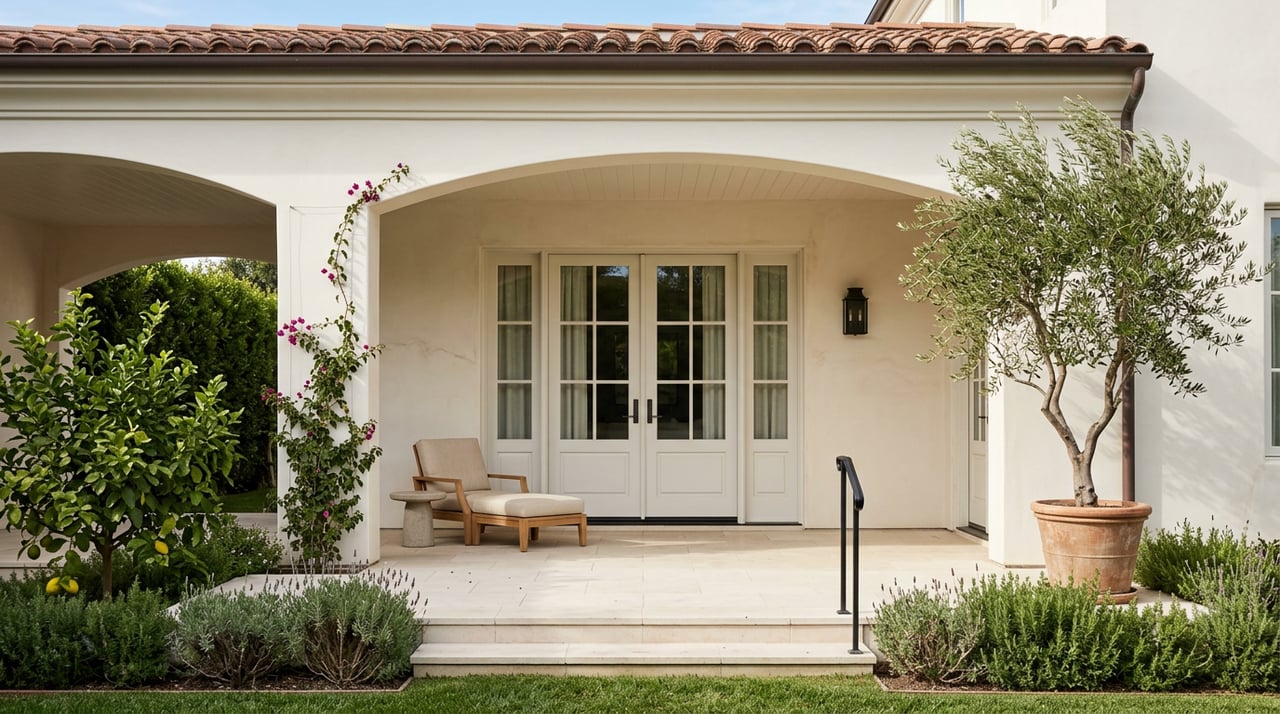
Thinking about planting roots in La Jolla or keeping the flexibility of a lease? With neighborhood-level median sale prices sitting in the multi-million range and median rents near five figures, your choice carries real financial and lifestyle weight. You want clarity on costs, rules, and risk so you can make a confident move. This guide walks you through the numbers, legal guardrails, timing, and practical checklists tailored to La Jolla’s luxury market. Let’s dive in.
La Jolla luxury market at a glance
Recent trackers show La Jolla’s median closed sale price in early 2026 around $2.535M, while ZIP 92037 sits near a $2.995M median listing price. Median rent often hovers around $8,000 per month. Sources differ because of boundaries, listing versus closed prices, and reporting windows. The takeaway is simple: both buying and leasing require a focused plan at these price points.
Inventory is limited and days on market often run several weeks, with prime oceanfront and highly polished properties moving faster. You will see a range of options, from oceanfront estates in La Jolla Shores and Muirlands to walkable Village condos and modern townhouse conversions with notable HOA dues and leasing rules.
What buying looks like
Buying in La Jolla concentrates cash upfront and adds ongoing carrying costs. Plan for a down payment, closing costs, and prepaids, then monthly mortgage principal and interest, property taxes, insurance, HOA dues if applicable, and maintenance. Short holding periods can be costly because transaction expenses and potential price swings reduce flexibility.
If you are financing, the typical closing-to-move timeline is about 30 to 45 days for a financed purchase, and often faster with cash. For planning, assume a minimum of a month for inspections, appraisal, underwriting, and escrow coordination. According to guidance on closing timelines, that 30 to 45 day window is common for a smooth transaction pace (how long closing usually takes).
Carry cost highlights to model
- Mortgage principal and interest, including jumbo pricing if applicable
- Property taxes under California’s Prop 13 base rate of about 1 percent of assessed value, plus local assessments and a capped annual increase until reassessment on sale (how Prop 13 affects your bill)
- HOA dues and reserves for condos or planned communities
- Insurance, including optional earthquake coverage and possible flood requirements
- Routine upkeep, which can be higher for oceanfront or bluff properties
What leasing looks like
Leasing concentrates costs into a security deposit and monthly rent. Furnished, short-term, and corporate leases usually carry a premium over unfurnished year-long leases. California’s deposit rules changed in 2024, which lowers upfront cash in most cases.
- Security deposits collected on or after July 1, 2024 are capped at one month’s rent for most landlords, with a narrow exception for small individual owners who can still collect up to two months. Review the exact statute for details (AB 12 security deposit limits).
- Statewide rent rules under the Tenant Protection Act also shape medium-term leases. Many units are capped at an annual increase of 5 percent plus CPI, with a maximum of 10 percent, and have just-cause eviction protections. Some properties, like many single-family homes and condos that meet ownership criteria, are exempt. Check the statute and any disclosure attached to the lease (AB 1482 rent cap and just-cause basics).
Leasing delivers speed, flexibility, and limited friction. You can test neighborhoods, parking patterns, and seasonal nuances before committing capital.
Financing in La Jolla
San Diego County is a high-cost area. For 2026, the county’s high-balance conforming threshold is reported around $1.1M. Many La Jolla purchases will require jumbo financing, which often comes with different underwriting, reserves, and rate structure. Always confirm current lender limits and whether your use case qualifies as a primary residence, second home, or investment (high-cost loan limit context).
Jumbo loans can affect your breakeven timeline compared with renting because of rate differences and cash reserves. If you plan to buy with a jumbo loan and hold for only a couple of years, consider how closing costs and potential market movement could offset equity gains.
Taxes, insurance, and risk
Property taxes in California follow Prop 13 mechanics. Your base is about 1 percent of assessed value plus local assessments, and the assessed value typically increases by a small capped amount until the next change in ownership. This structure rewards longer holding periods because early years establish a lower tax base that grows slowly (Prop 13 overview from the County).
Insurance is a material line item and varies by location and home type:
- Flood and tsunami risk. Standard homeowner policies exclude flood and storm surge. If the home sits in a FEMA Special Flood Hazard Area, you will likely need NFIP or private flood insurance. Always verify maps and obtain an elevation certificate where required (check FEMA flood maps).
- Earthquake coverage. Earthquake insurance is sold separately in California and often includes large percentage deductibles. Obtain quotes early, especially for high-value properties (earthquake coverage basics).
If you plan to sell a principal residence, federal rules may allow an exclusion of up to $250,000 for single filers or $500,000 for married filing jointly if use and ownership tests are met. Short ownership windows, second homes, or rentals can change outcomes. Always consult your tax advisor.
Rules that shape your options
Luxury decisions in La Jolla often turn on how you plan to use the property and what rules apply.
- HOA and CC&Rs. Under California’s Davis-Stirling framework, HOAs can set reasonable minimum lease terms, commonly 30 days, and may limit transient rentals. New rental caps are limited by statewide rules, and many luxury buildings require owner-occupancy or have other leasing conditions. Review CC&Rs, meeting minutes, and the master insurance policy during due diligence (HOA rental restriction guidance).
- Short-term rental licensing and taxes in San Diego. If you want to offset costs with vacation rental income, the city requires a short-term residential occupancy license and collection and remittance of the Transient Occupancy Tax. License tiers, availability, and TOT rates affect revenue projections. Verify eligibility before you rely on short-term income (San Diego STRO program and TOT).
These rules can make a “buy now, rent short-term” plan unworkable if your building or address is not eligible. In that case, leasing while you research may be the smarter bridge.
Who should lease vs buy
Different goals call for different paths. Here is how to think about common scenarios.
Executive on a 6 to 24 month assignment
Leasing usually wins. A furnished 6 to 12 month lease or corporate housing limits transaction friction, aligns with company timelines, and lets you test neighborhoods. Confirm whether the home is covered by AB 1482, know your deposit rights under AB 12, and ensure any short-term setup is properly licensed under the city’s STRO rules if it is marketed as a vacation rental (security deposits under AB 12; STRO rules and TOT).
Second-home buyer with seasonal use
Buying can make sense if you understand HOA rental rules, city licensing, and insurance costs. If you plan to offer short stays, verify HOA permission, city license eligibility, and whether the property can operate profitably after taxes and fees. If those variables are uncertain, consider leasing for a season while you evaluate revenue and risk (HOA rental framework; STRO program overview).
“Try La Jolla” before committing
Leasing for 6 to 12 months gives you time to learn micro-markets, watch seasonal inventory, and observe lifestyle details like parking, noise, and beach access patterns. The premium you pay for a turnkey lease can be worth the flexibility and saved transaction costs if you decide to pivot or aim for a different neighborhood.
Timing and hold period
Coastal luxury inventory is often thin and seasonally sensitive. Spring and summer generally bring more showings, with slower holiday stretches. If you plan to buy, be ready to move quickly on the right property. If you plan to lease, start early for summer.
From a financial perspective, buying tends to become favorable after several years of ownership. Many analyses show a breakeven around the 5 year mark or longer in expensive coastal markets. Your exact crossover depends on appreciation, rates, HOA and insurance costs, and your opportunity cost on cash. A transparent rent versus buy calculator that includes local taxes and maintenance can help you test scenarios (how to weigh the breakeven).
A practical checklist
Use this checklist to focus your decision and diligence.
If you plan to lease
- Confirm lease length, renewal options, and any HOA rules if it is a condo
- Verify security deposit terms under AB 12 and amounts due at signing
- Clarify furnished versus unfurnished inclusions and maintenance responsibilities
- If the property is advertised for short-term stays, confirm the owner holds a valid city STRO license and manages TOT properly (STRO and TOT compliance)
If you plan to buy
- Secure preapproval and confirm whether your loan is conforming high-balance or jumbo, including reserve and rate requirements (loan limit overview)
- Order key reports during contingencies: geotechnical or bluff stability if relevant, HOA documents and minutes, and the master insurance policy with deductibles
- Review flood status and obtain an elevation certificate if needed (FEMA flood map portal)
- Get earthquake insurance quotes early and model the deductible impact (earthquake coverage details)
- Request a current neighborhood market analysis and verify recent comps to understand pricing and days on market
Bottom line
- Choose to lease if you need speed and flexibility or you have a short horizon. Deposit caps under AB 12 reduce upfront cash and the right lease can give you a low-friction test drive.
- Choose to buy if you plan a 5 year or longer hold, have a clear financing path, and you understand HOA, insurance, and local licensing constraints that could affect your use and carrying costs.
If you want a tailored, numbers-first plan, connect for a confidential conversation. With 30 plus years along the North County coast and a concierge approach backed by a global brand, you will get clear guidance, a precise plan, and on-the-ground insights that protect your time and capital. Start the conversation with Debe McInnis.
FAQs
Is it cheaper to buy or lease in La Jolla in 2026?
- Many analyses show buying often becomes favorable after about 5 years, but it depends on your rate, HOA and insurance costs, expected appreciation, and opportunity cost (breakeven context).
How do California security deposit limits affect luxury leases?
- As of July 1, 2024, most landlords can collect only one month’s rent as a security deposit, with a narrow exception for small individual owners who may collect up to two months (AB 12 details).
What should I know about jumbo loans in San Diego County?
- San Diego County’s 2026 high-balance conforming threshold is reported around $1.1M, so many La Jolla homes need jumbo financing with different underwriting and reserve expectations (loan limit overview).
Can I rent out my La Jolla condo as a short-term rental?
- It depends on HOA rules and city licensing; HOAs often require minimum terms and San Diego’s STRO program and TOT apply to short stays (HOA rental framework; STRO program).
What insurance should I plan for on a coastal property?
- Standard policies exclude flood, and earthquake coverage is separate; verify FEMA flood status and obtain earthquake quotes early to model premiums and deductibles (FEMA maps; earthquake coverage).