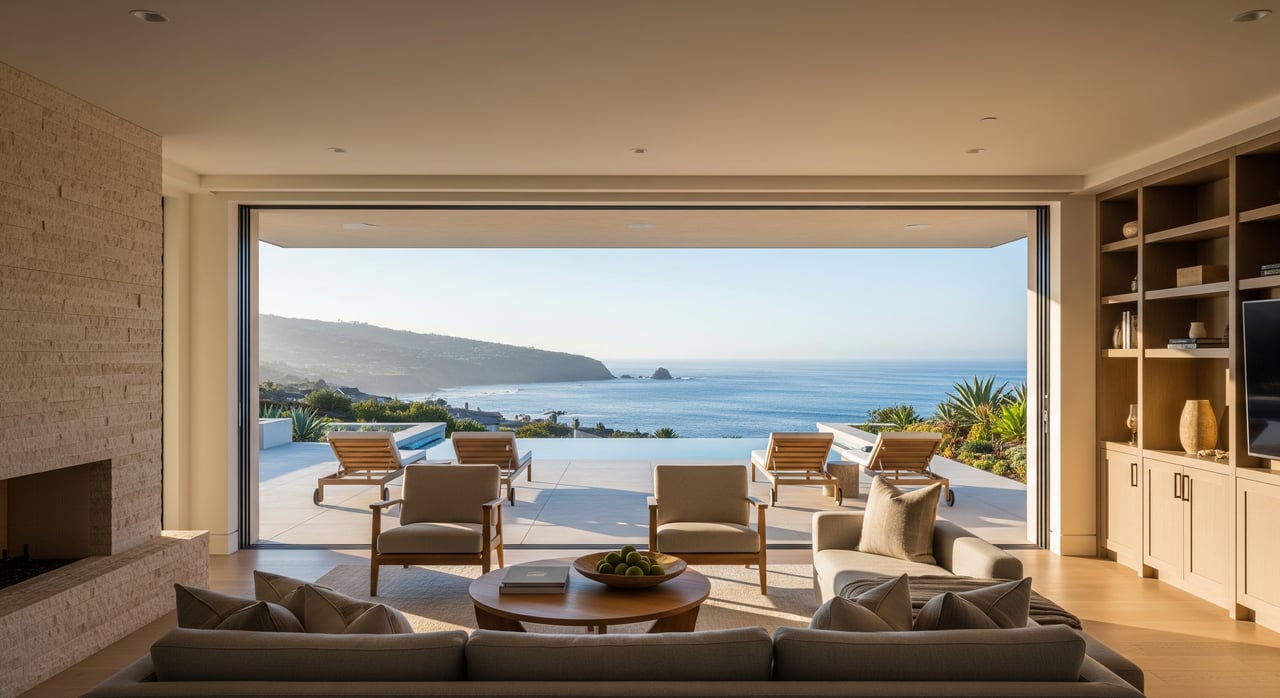
Ever wonder what it feels like to have the beach as your morning routine and a quiet village as your backyard? If Del Mar has been on your list, you are likely weighing the dream against the details: housing, daily rhythm, schools, and the seasonal buzz. This guide gives you a clear, practical look at life in Del Mar so you can decide if it fits your lifestyle and goals. You will learn how locals spend their days, what to expect from the market, and the tradeoffs that come with coastal living. Let’s dive in.
Del Mar at a glance
Del Mar is a very small coastal city in north San Diego County with roughly around 4,000 residents and less than two square miles of land area. That scale shapes a true village feel, with a walkable center and limited large-scale development. City planning emphasizes low density, design review, and coastal protections that preserve the town’s character. You will feel the difference the moment you step into the Village and onto the bluff-top paths.
Del Mar blends year-round residents with a strong seasonal visitor presence. The San Diego County Fair and racing seasons bring extra energy and crowds, then the pace settles into a quieter rhythm the rest of the year. If you like a calm base with bursts of activity, Del Mar delivers that balance.
Beach life and outdoors
The coastline is the heart of daily life. Del Mar City Beach and its stretches around Powerhouse Park are where you will see morning walkers, surfers, and neighbors chatting over coffee. Dogs are part of the fabric too, with beach access rules that vary seasonally.
Nature is on your doorstep. Hike the ocean-view trails at the nearby Torrey Pines State Natural Reserve or stroll the bluff-top pathways for a daily dose of sea air. The Mediterranean climate brings mild weather most of the year, often with a cool marine layer in summer mornings and evenings. Outdoor living is not just a perk, it is a way of life.
Village dining and shopping
Del Mar’s Village along Camino Del Mar is compact and easy to navigate. You will find independent boutiques, cafes, coffee shops, and a mix of casual and upscale restaurants, many with outdoor patios and ocean views. The food scene leans toward seafood and California cuisine, with relaxed neighborhood options in between.
Everyday errands are simple but limited within city limits. You have a few local grocery and convenience options, while larger supermarkets and big-box stores are a short drive to Solana Beach, Encinitas, or Carmel Valley. For most residents, this tradeoff preserves the village feel without giving up practical access nearby.
Events and seasonal rhythm
The Del Mar Fairgrounds hosts the San Diego County Fair in late spring and early summer, followed by horse racing in the summer and fall. These events create a lively seasonal economy and add variety to your social calendar. Expect more traffic and visitors during these periods.
Outside peak season, the pace is calm. Weekly farmers markets, art walks, and small village events fill the calendar. Community meetings and civic involvement are part of local life, and the city maintains resources on planning and beach topics through the City of Del Mar.
Housing styles and options
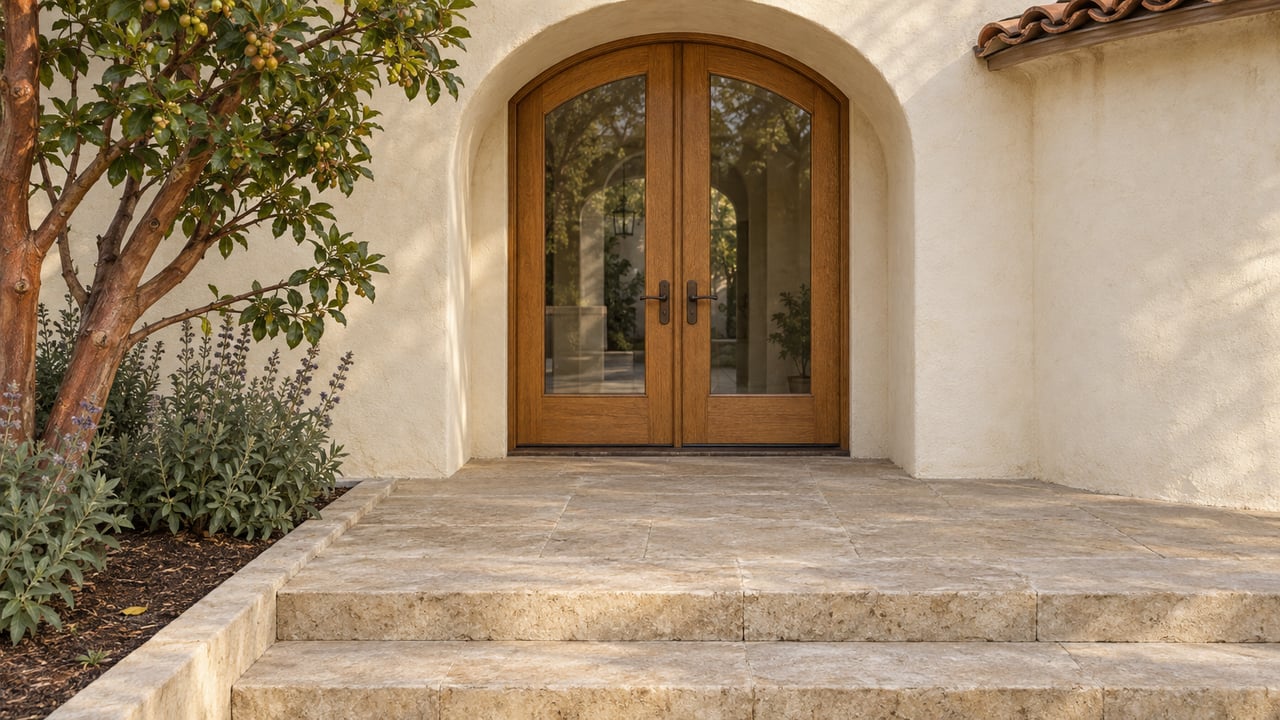
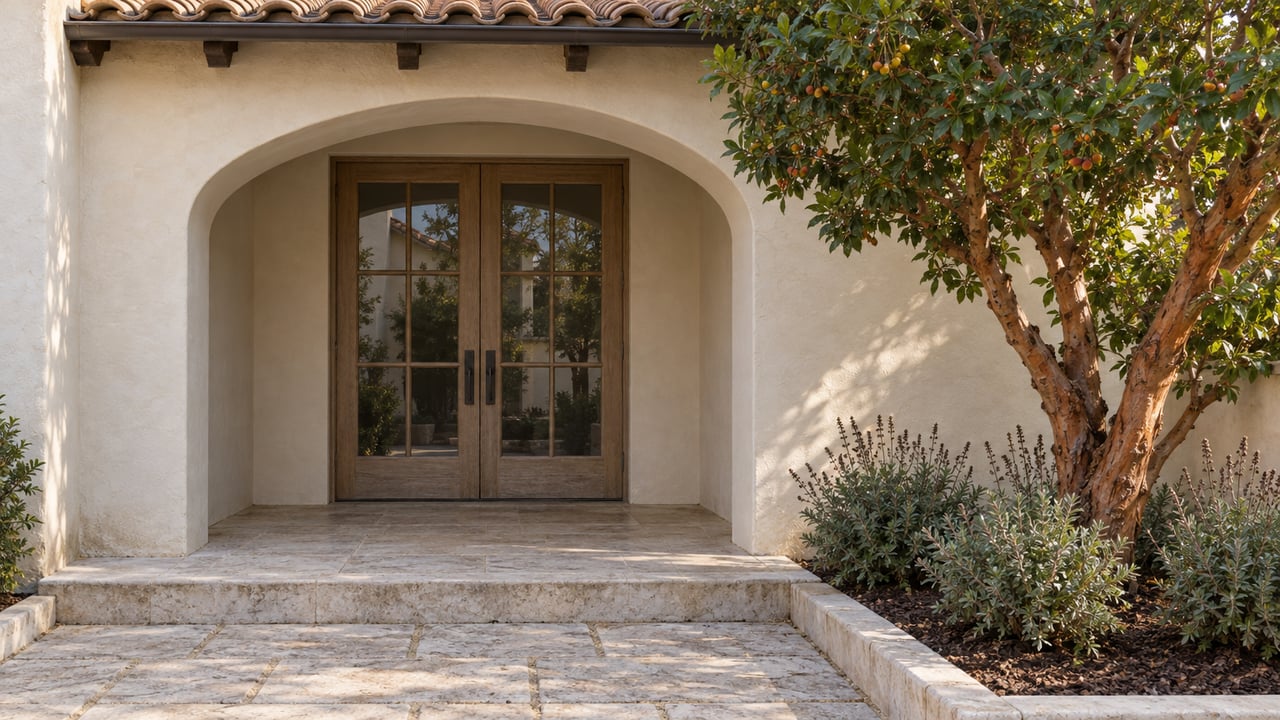
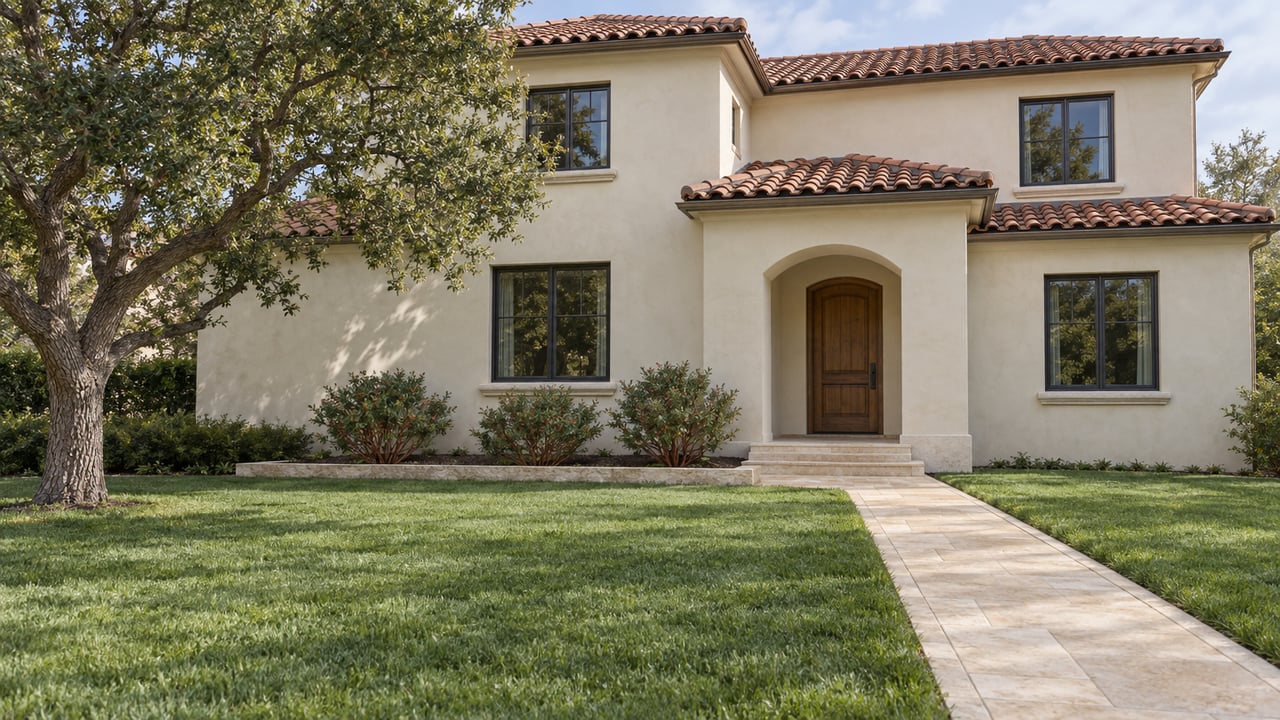
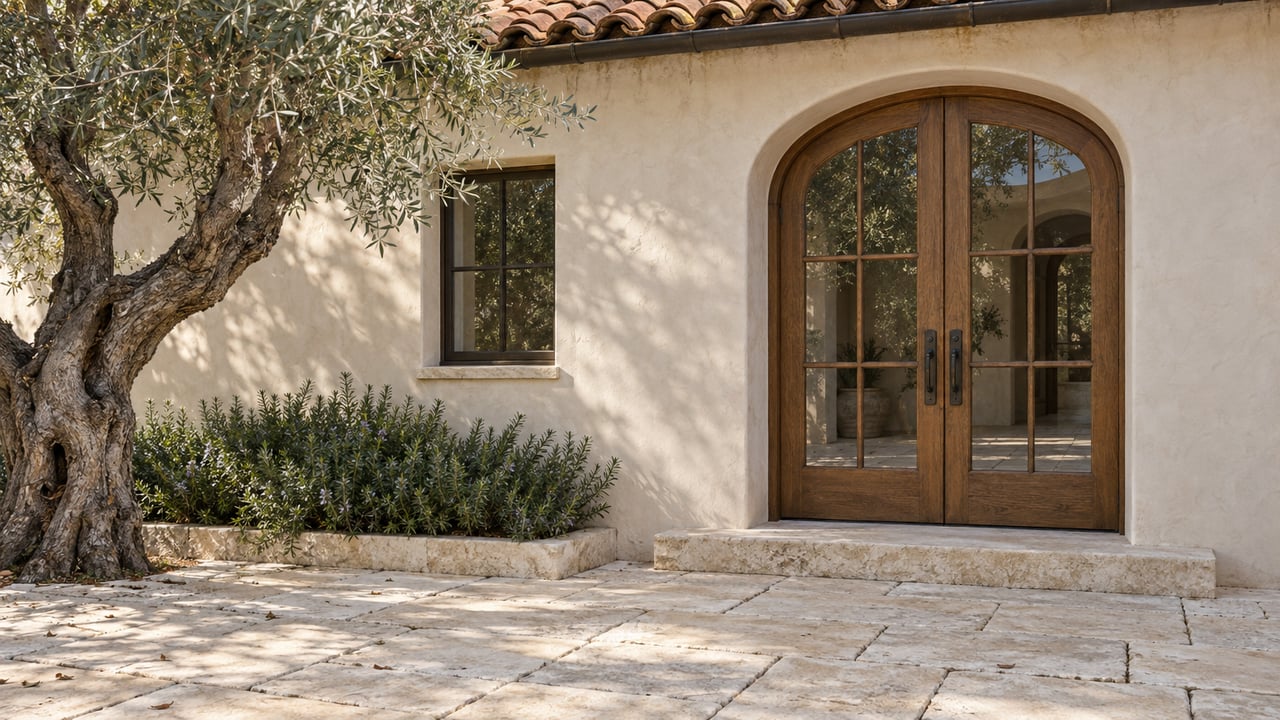
You will see a wide range of architecture and lot types in a small footprint. Near the beach and Village, coastal cottages and bungalows offer casual indoor and outdoor living. Across the city, you will find Mediterranean and Spanish Revival homes from earlier eras along with mid-century and newer custom builds, including striking contemporary designs on larger or view lots.
Condos and townhomes exist in low to mid-rise complexes, often near the Village and main roadways. Multifamily buildings are limited compared with single-family homes, and lots close to the bluff or beachfront are unique and command premium pricing. If you are seeking oceanfront or bluff-top living, expect competition and careful due diligence.
Market reality and competition
Del Mar is one of the higher-priced coastal markets in San Diego County. Single-family homes commonly sell in the multi-million-dollar range, with prime bluff or beachfront properties reaching significantly higher values. Condos and townhomes can offer a relatively lower entry point, though still above county medians.
Inventory is typically tight due to the city’s small size. New listings can be scarce, and well-located homes often attract multiple buyers. If you are targeting a specific street or view, flexibility on timing and terms can help you compete. A clear plan for inspections, financing, and closing timelines can make your offer stand out.
Coastal rules and property realities
Owning near the shoreline comes with added oversight. Properties on or near the bluffs often fall under coastal development permit processes and local design review. Work that seems routine elsewhere, like exterior renovations or shoreline protections, may require extra approvals. The California Coastal Commission and the City of Del Mar both provide guidance on policies and procedures.
Bluff erosion and long-term sea-level rise are active topics in Del Mar. If you are considering a bluff-front property, plan for specialized inspections, insurance review, and potential mitigation requirements. Short-term rentals are also regulated, and you should verify current rules through the city’s municipal resources before you buy or lease.
Getting around
Most daily errands are easiest by car. The I-5 corridor borders Del Mar, and drives to downtown San Diego typically run 20 to 40 minutes depending on traffic. Peak commute windows can add time.
Public transit is available but limited. The closest full-service rail station is in Solana Beach for COASTER and Amtrak connections to downtown San Diego and points north. Local buses serve the corridor with lighter coverage than urban cores. If walkability matters, focus your home search around the Village and beachfront areas.
Schools and learning options
Del Mar is served by two public districts. Elementary schools fall under the Del Mar Union School District, and middle and high schools are part of the San Dieguito Union High School District. Schools are generally well regarded in the region. As always, you should review current ratings, program offerings, and attendance boundaries directly with the districts.
Youth sports, outdoor programs, and community activities are available in Del Mar and nearby cities. Given the small-city scale, many families use programs in adjacent communities to supplement local options.
Cost of living
Living in Del Mar comes with premium pricing across housing, dining, and services. Overall costs are higher than the county average and well above national norms. Insurance and maintenance can also run higher for bluff-front homes and older coastal properties due to salt air exposure and coastal hazards. These considerations are common tradeoffs for ocean-close living.
Climate and everyday comfort
The climate supports outdoor living most of the year. Coastal San Diego’s weather is mild, with most rain in winter and a reliable marine layer in summer. The National Weather Service San Diego provides climate normals and local forecasts so you can plan beach days and hikes with confidence.
Pros and considerations
- Pros: Iconic beaches, a walkable village core, mild climate, and a calm residential feel with access to major San Diego amenities.
- Considerations: High housing costs, seasonal visitor traffic, limited large-scale shopping in town, and added due diligence for homes near the bluffs or shoreline.
Is Del Mar a fit for you?
If you value a refined but relaxed beach lifestyle, low-key evenings, and a tight-knit village feel, Del Mar may be exactly what you want. You will trade some urban convenience for daily ocean access and a calm neighborhood pace. With the right guidance, you can navigate the market’s limited inventory and coastal rules with confidence.
Ready to explore homes, compare neighborhoods, or evaluate a bluff-front property with care? Connect with Debe McInnis for a private consultation and local guidance. Request a Confidential Home Valuation or start a tailored search that fits your goals and timeline.
FAQs
Is Del Mar good for year-round living?
- Yes. Many residents live full time, the climate is mild, and local services and nearby amenities support everyday needs.
How does seasonal activity affect daily life in Del Mar?
- The fair and racing seasons bring more visitors and traffic near the Fairgrounds, then the rhythm quiets the rest of the year.
What are common home types in Del Mar?
- You will see coastal cottages, Mediterranean and Spanish Revival homes, mid-century and custom contemporary builds, plus limited condos and townhomes.
What should buyers know about coastal permits in Del Mar?
- Properties near the bluffs or shoreline may require coastal development permits and local design review, so plan for added approvals and timelines.
Is public transit practical for Del Mar commuters?
- Some residents use the nearby COASTER in Solana Beach to reach downtown San Diego, but most rely on cars for daily commuting.
What school districts serve Del Mar?
- Elementary schools are in the Del Mar Union School District and middle and high schools are in the San Dieguito Union High School District; verify boundaries with each district.
Where can I find official information about Del Mar?
- The City of Del Mar provides information on planning, beaches, and services, and the U.S. Census QuickFacts offers population and community data.