Wondering whether selling a luxury home in coastal San Diego should feel fast, effortless, and full of premium offers? Sometimes it can, but the reality is more nuanced. If you are preparing to sell in areas like Del Mar, La Jolla, Coronado, Point Loma, or the broader coastal corridor, you need a strategy built on local data, strong preparation, and careful presentation. Here is what you can realistically expect, and how to prepare for a smoother, more successful sale. Let’s dive in.
Coastal San Diego Is Not One Market
One of the biggest mistakes luxury sellers make is assuming all coastal San Diego homes behave the same way. In reality, this market is highly segmented by location, view quality, condition, lot characteristics, and permit history.
According to Redfin’s Q4 2025 luxury report, San Diego luxury homes had a median sale price of $3.85 million and a median of 66 days on market. In the broader coastal San Diego snapshot, the February 2026 median sale price was $1.95 million, homes averaged about 2 offers, and time on market was roughly 47 days.
That does not mean every luxury coastal listing will move in a month and a half. Recent neighborhood snapshots show a wide spread: La Jolla was at $2.4 million, Del Mar at $4.03 million with 95 days on market, Coronado at $2.18 million with 84 days on market, Point Loma at $1.8 million with 36 days on market, and Pacific Beach at $1.44 million, based on Redfin neighborhood data.
Expect a Longer Prep Phase
Luxury sellers are often surprised that the sale starts well before the home goes live. In coastal San Diego, the pre-listing phase can take several weeks because your team may need to coordinate disclosures, permit research, staging, photography, and selected repairs before launch.
In California, sellers of one-to-four-unit residential property generally provide a Transfer Disclosure Statement and related disclosures. Depending on the property, your file may also include the environmental hazards booklet, Mello-Roos notices, lead-based paint disclosures for older homes, and HOA documents if the home is a condo or in a common-interest development.
For luxury homes, this paperwork is not just administrative. A complete and credible information package can strengthen buyer confidence before negotiations even begin.
Why permits matter more in luxury sales
If your home has been remodeled, expanded, or structurally improved, buyers will often look closely at permits and contractor history. That matters even more now because California disclosure updates require more specific reporting in some situations.
AB 1280 expanded the Natural Hazard Disclosure Statement to include high fire hazard severity zones and whether the property is in a state or local responsibility area. AB 968 requires sellers who acquired title within the prior 18 months to disclose certain contractor-performed additions, structural modifications, alterations, or repairs over $500, including contractor names and permits.
If your home includes recent work, expect your agent to ask for invoices, permits, plans, and contractor details early. In a luxury transaction, a clean paper trail supports value and reduces last-minute friction.
Coastal Properties Often Need Extra Due Diligence
Coastal homes can come with a more complex record review than inland homes. That is especially true for bluff-front or near-bluff properties, homes in the Coastal Overlay Zone, and properties with seawalls, major exterior improvements, or site-specific reports.
The City of San Diego notes that development in the Coastal Overlay Zone generally requires a Coastal Development Permit unless an exemption applies. Sensitive coastal bluffs are also subject to strict setback rules, and in many cases development on the bluff face is not permitted.
For sellers, this means buyers and lenders may ask for permits, plans, geotechnical reports, and seawall history before they feel comfortable moving forward. If your property falls into this category, gathering those records in advance can save valuable time once the home hits the market.
Presentation Matters at This Price Point
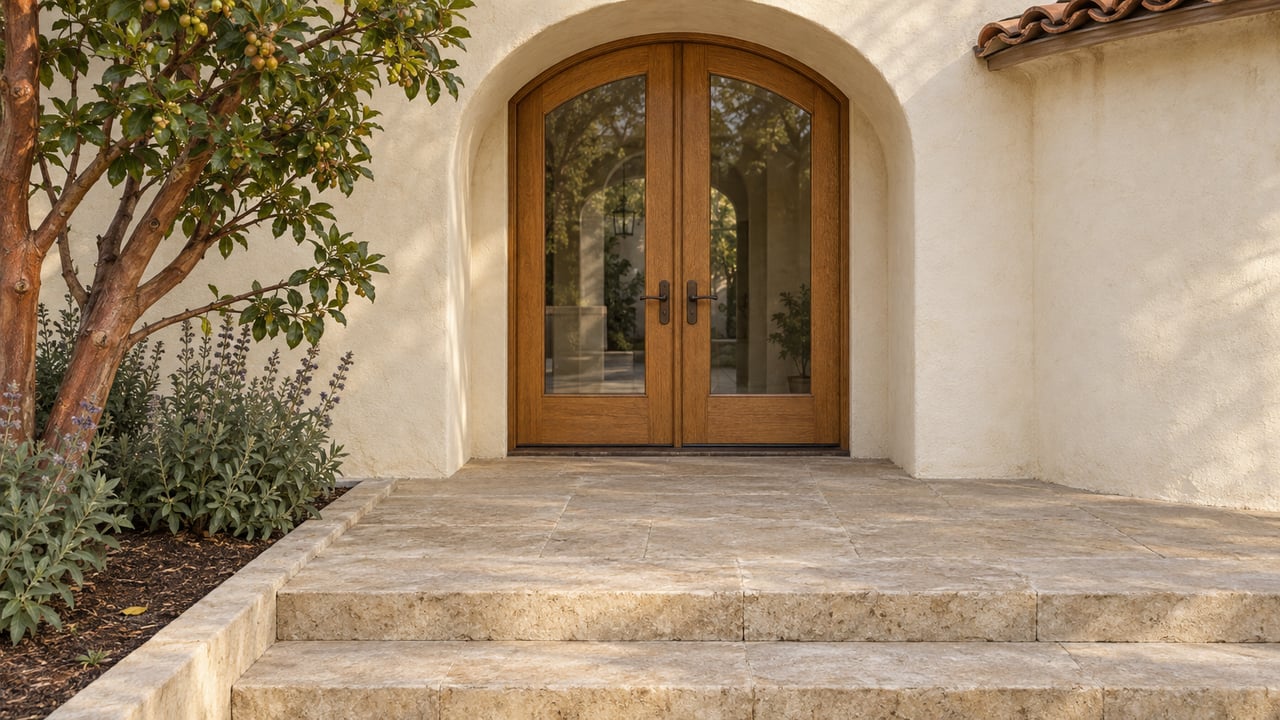
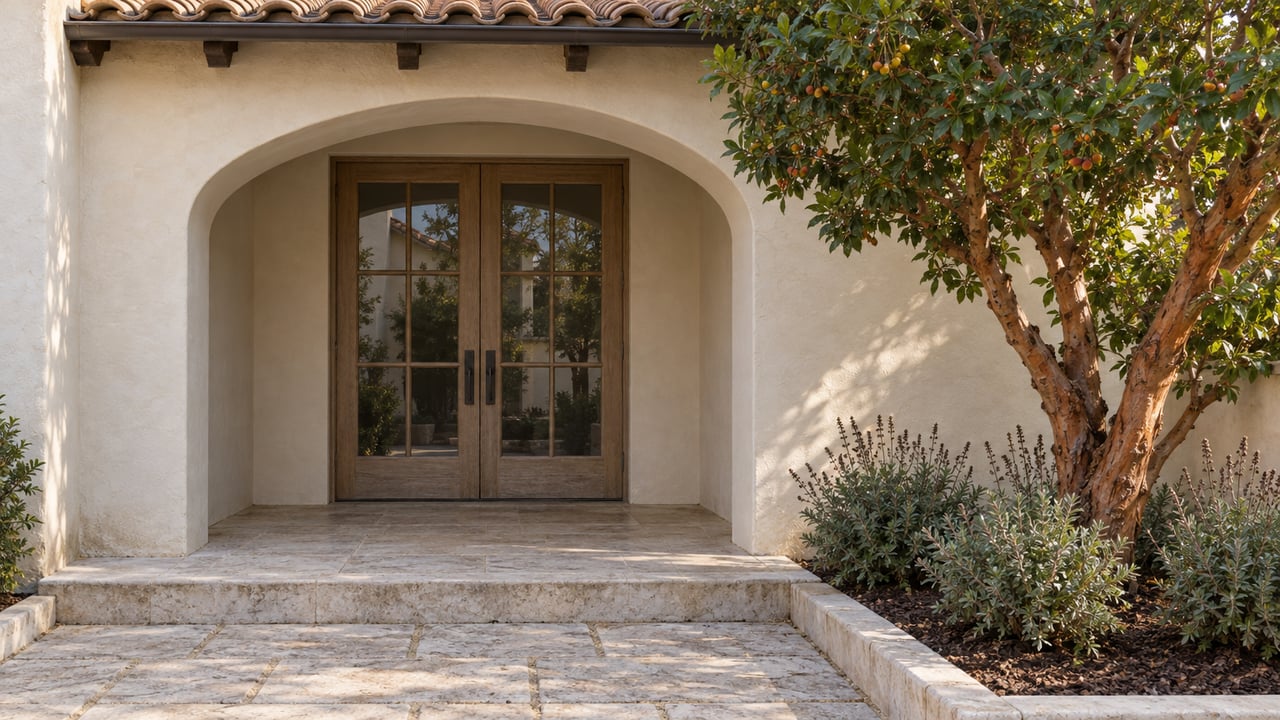
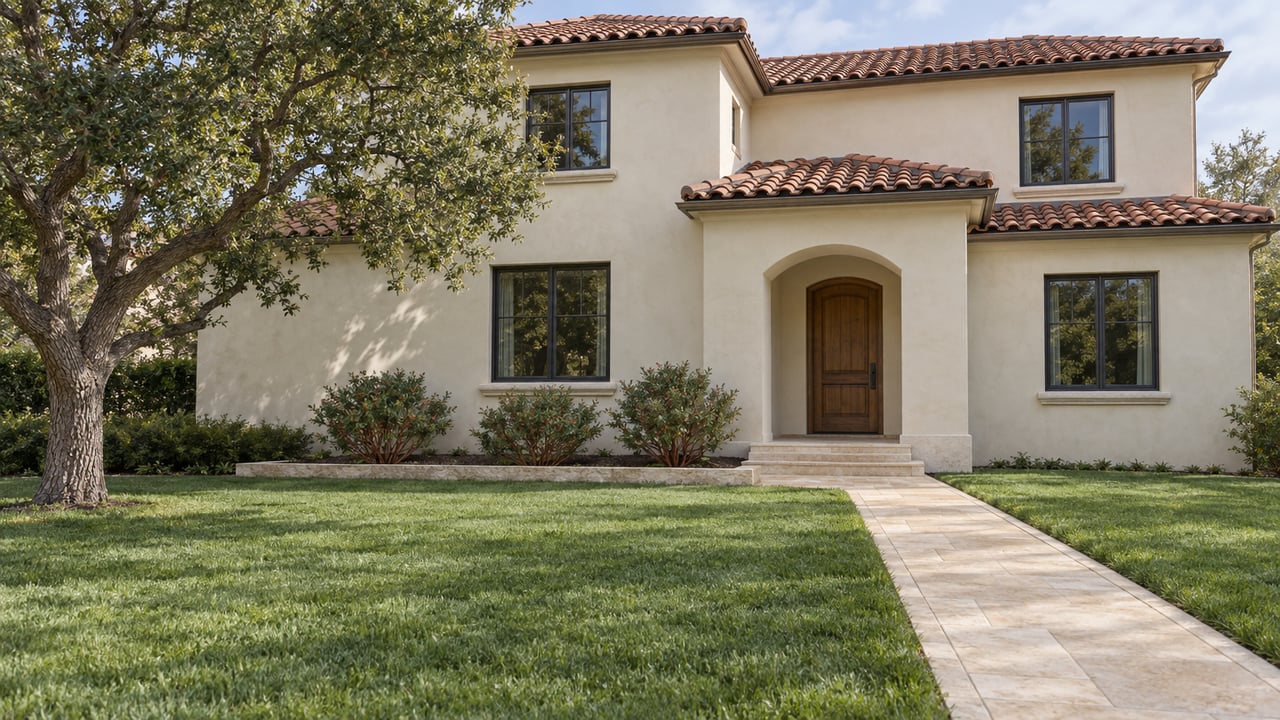
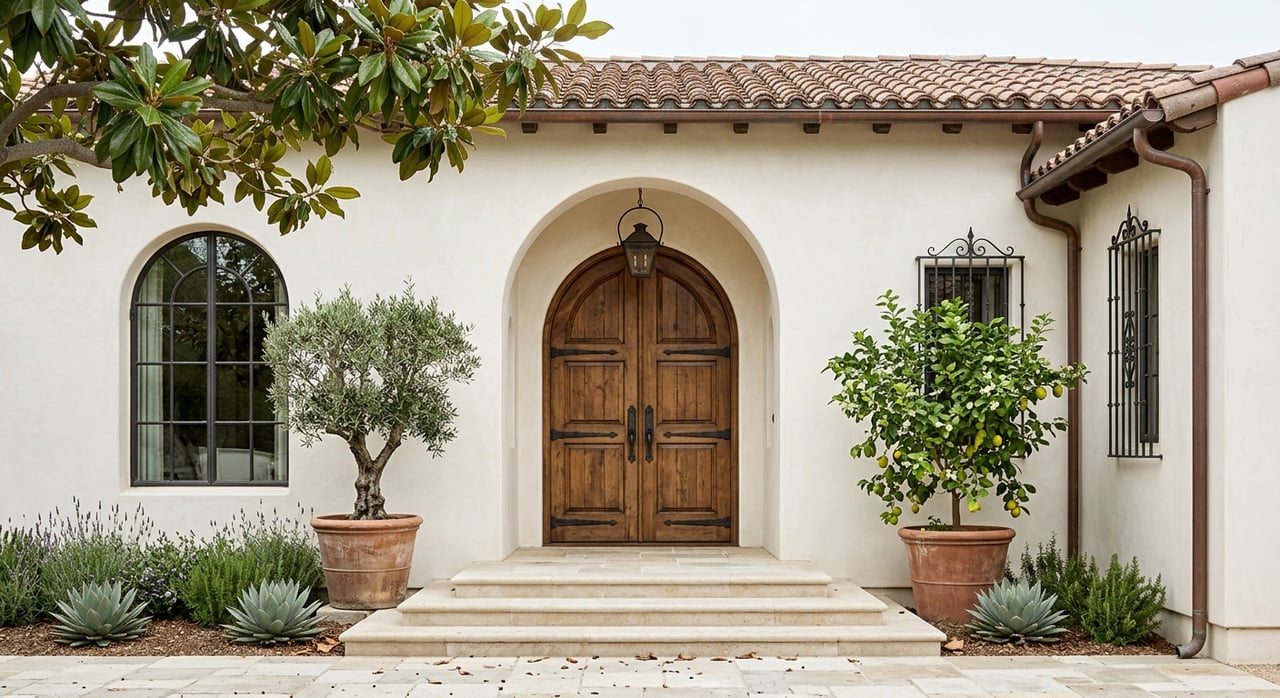
In the luxury space, buyers do not just evaluate square footage and location. They react to how the home feels online and in person. That makes styling, photography, and visual storytelling a central part of your sale strategy.
The National Association of Realtors 2025 staging survey found that 83% of buyers’ agents said staging helps buyers visualize a home as their future home. Buyers cared most about photos (73%), physical staging (57%), video (48%), and virtual tours (43%).
In a coastal luxury home, the goal is usually not to fill every room. It is to highlight scale, natural light, architectural detail, view corridors, and indoor-outdoor living. Living rooms, primary bedrooms, dining rooms, kitchens, and outdoor spaces tend to deserve the most attention.
What buyers notice first
Luxury buyers often make their first decision from the listing photos. If the property looks unfinished, overly personal, or visually cluttered, they may never schedule a showing.
That is why thoughtful staging and polished media matter so much. As NAR notes in its luxury staging guidance, high-end buyers expect a presentation that matches the price point.
Privacy Is Part of the Process
For many luxury sellers, privacy matters almost as much as price. If that sounds familiar, you are not alone. A well-run luxury listing process should balance market exposure with controlled access.
NAR’s consumer guide to home-selling privacy and safety recommends putting away family photos, calendars, mail, jewelry, firearms, medications, and visible logins. It also supports practical safeguards like electronic lockboxes that track who enters and when, along with discouraging unapproved photography.
For some sellers, appointment-only showings and access limited to pre-qualified or properly identified buyers may be appropriate. That kind of measured approach can be especially helpful when you are selling a high-value home, a second residence, or a property with unique privacy concerns.
Pricing Needs To Match The Micro-Market
Luxury pricing in coastal San Diego is rarely about setting a high number and waiting for the market to agree. Buyers in this segment tend to be informed, selective, and sensitive to condition, views, and documentation.
In the latest coastal San Diego housing market snapshot, homes sold for about 97% of list price on average. In Del Mar, the average was about 7% below list price, while the broader coastal area was about 2% below list price.
That pattern suggests pricing discipline matters. The strongest results often come from aligning the asking price with the specific submarket, the home’s condition, the quality of the views, and the completeness of the permit and disclosure package.
Overpricing can cost time
A luxury home can still attract attention, but extra days on market may change how buyers interpret the listing. If the property lingers, buyers may assume the home is overpriced, has condition concerns, or will be open to sharper negotiation.
That does not mean you should underprice a special property. It means your pricing strategy should reflect current market behavior, not just aspiration.
Marketing Should Feel Curated, Not Generic
A luxury home launch should be organized and intentional. Buyers at this level usually respond best to polished presentation, strong information, and a smooth showing experience.
NAR’s staging survey and consumer guidance support a process in which media, inspections, disclosures, and showing access all work together. In practice, that often means your team builds a launch calendar with pre-list repairs, staging, photography, broker previews, and buyer tours timed before the first public weekend.
For condo sellers, the document package can be even more important. California’s disclosure reference materials note that HOA governing documents, financial statements, budgets, insurance information, and current or upcoming assessments are commonly part of the disclosure packet.
If those materials are easy to review, buyers may feel more confident making strong offers and moving through escrow efficiently. If they are incomplete, even a beautifully presented condo can slow down.
Hazard Questions Will Likely Come Up
Coastal San Diego buyers often ask practical questions about environmental risk, insurance, and long-term property considerations. That is not unusual, and it is better to be prepared than surprised.
The coastal market snapshot from Redfin flags moderate flood and wildfire risk in the area. California’s updated disclosure rules also specifically include high fire hazard severity zone information in the Natural Hazard Disclosure process.
For some homes, buyers may also ask about bluff conditions, drainage, coastal permitting, or prior reports tied to the site. The more organized your documentation is, the more confidently you can move through these conversations.
What The Timeline Usually Looks Like
Every sale is different, but most luxury coastal sellers should expect two phases: preparation and active market time. The preparation phase can take several weeks, especially when disclosures, permits, repairs, staging, and photography all need coordination.
Once listed, market time varies by price point and neighborhood. Recent data suggests the sold phase can range from about 66 days in the San Diego luxury snapshot to about 47 days in the broader coastal market, with longer timelines showing up in places like Del Mar and Coronado.
The key is to plan for a thoughtful process, not a rushed one. In luxury real estate, better preparation often supports stronger negotiations later.
What Sellers Should Focus On First
If you want to put your home in the best position before listing, start with the items that are most likely to affect disclosures, inspections, buyer confidence, and presentation.
A strong first-round checklist often includes:
- Gathering permits, plans, invoices, and contractor records
- Reviewing required disclosures early
- Addressing visible wear or deferred maintenance
- Prioritizing living areas, kitchen, primary suite, and outdoor spaces
- Removing personal items and tightening privacy controls
- Preparing any HOA documents if the property is a condo
- Building a clear launch timeline for staging, photography, and showings
This kind of preparation helps your property feel complete, credible, and ready for serious buyers.
The Bottom Line For Coastal Luxury Sellers
Selling a luxury home in coastal San Diego usually involves more preparation, more documentation, and more pricing precision than many sellers expect. But that does not mean the process has to feel stressful or uncertain.
When your sale is guided by micro-market data, polished presentation, complete disclosures, and discreet buyer screening, you are in a much stronger position to protect value and negotiate well. If you are considering a sale in Del Mar, Solana Beach, Encinitas, Carlsbad, Rancho Santa Fe, or the surrounding coastal market, working with an experienced, owner-led advisor can make the process more strategic from the start.
If you are thinking about your next move, Debe McInnis can help you evaluate timing, pricing, presentation, and a confidential plan tailored to your property.
FAQs
How long does it take to sell a luxury home in coastal San Diego?
- You should usually plan for several weeks of pre-list preparation, plus active market time that may range from roughly 47 to 66 days based on recent coastal and San Diego luxury market data, with some neighborhoods taking longer.
What disclosures are required when selling a luxury home in California?
- Many sellers of one-to-four-unit residential property provide a Transfer Disclosure Statement, and the full package may also include natural hazard, environmental, lead-based paint, Mello-Roos, and HOA disclosures depending on the property.
What should I fix before listing a coastal San Diego luxury home?
- Focus first on permit-related issues, visible wear, deferred maintenance, and anything likely to appear in disclosures or inspections, especially in main living areas and outdoor spaces.
Do bluff-front or coastal-overlay properties need extra paperwork before sale?
- Yes, buyers and lenders often ask for permits, plans, geotechnical reports, and seawall or coastal development history for bluff-front, near-bluff, or Coastal Overlay Zone properties.
How important is staging for a luxury home in coastal San Diego?
- Staging is often very important because buyers respond strongly to photos, physical presentation, video, and virtual tours, especially when the home’s value depends on light, scale, views, and outdoor living.
Should luxury home showings in coastal San Diego be private?
- In many cases, yes, because a controlled showing process with pre-qualified or properly identified buyers can help support privacy, safety, and a more tailored luxury experience.