Thinking about adding an accessory dwelling unit to your La Jolla property? Whether you want space for multigenerational living, a long-term rental, or a guest suite, an ADU can be a smart way to unlock utility and value. The path to approval in La Jolla runs through City of San Diego rules and the Coastal Overlay, so it pays to understand the basics before you draw plans. This guide walks you through ADU types, local requirements, coastal permits, costs, rentals, resale, and a clear next-step checklist. Let’s dive in.
What is an ADU?
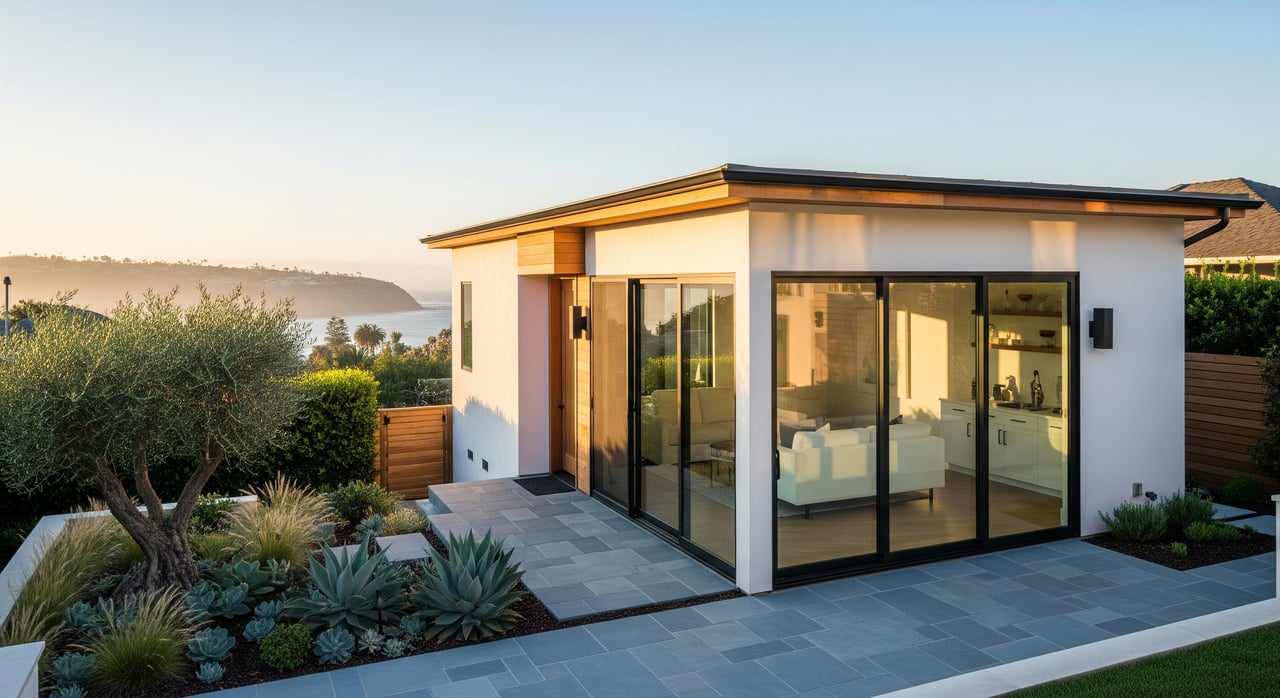
An accessory dwelling unit is a self-contained home on the same lot as a primary residence. Common formats include a detached cottage, an attached addition with its own entrance, or a conversion of existing space like a garage or basement.
A junior ADU is a smaller unit created within the footprint of the existing single-family home, usually with a compact kitchen. JADUs have more restrictive size limits and are tied closely to the primary dwelling.
California updated ADU laws in recent years to encourage more housing. State rules set a baseline and require many ADUs to be reviewed ministerially, while allowing cities to adopt objective standards for size, setbacks, height, and design that do not unreasonably restrict ADUs.
San Diego ADU rules in La Jolla
Eligibility and zoning basics
ADUs are generally allowed on lots with an existing legal home in zones that permit residential uses. Many single-family and multi-family lots qualify. Converting existing enclosed legal structures, like garages or accessory buildings, is commonly permitted and can be an efficient path.
Your property’s lot coverage, floor area ratio, and other development standards still matter. The City identifies how ADUs count in these calculations and what objective standards apply on your lot.
Size, height, and setbacks
The City sets maximum sizes for detached, attached, conversion ADUs, and JADUs consistent with state allowances. Side and rear setbacks for a detached ADU may be reduced compared to typical new construction, while conversions inside an existing building footprint usually do not require additional setbacks. Height limits apply and vary by zone and location.
Before you commit to a design, confirm the current size, height, and setback standards for your exact zone and site.
Parking realities near the coast
Parking requirements for ADUs depend on factors like proximity to transit, the presence of existing parking, and whether you are converting a garage. In many situations, ADU parking is reduced or waived under state rules. That said, parking is a sensitive issue in La Jolla because of coastal visitors and narrow streets. Expect the City to evaluate parking impacts carefully on tighter lots.
Conversions and historic structures
Converting a garage or other permitted accessory space can reduce costs and simplify permitting. If your home is a designated historic resource or within a historic area, additional standards and review may apply. Plan early for any historic considerations.
Utilities and service hookups
ADUs must meet plumbing, electrical, heating, and potable water requirements. If you are on sewer, the City may require capacity confirmation and a connection permit. Septic systems can limit options and may trigger an added feasibility review. Discuss metering choices, since separate utility meters can affect rental operations and billing.
Fees and review type
Plan-check, permit, and utility connection fees typically apply. Some fees may be reduced for conversions or smaller units. Many ADUs qualify for ministerial processing, but any request that falls outside objective standards can lead to discretionary review and a longer timeline.
Coastal Overlay essentials for La Jolla
Local Coastal Program and CDP basics
Much of La Jolla sits within the City’s Coastal Overlay, which implements the California Coastal Act through the Local Coastal Program. Depending on your site and scope, you may need a Coastal Development Permit. New structures, additions, exterior changes near the shoreline, and grading are common triggers.
What can trigger a CDP
Projects that create a new building footprint, add significant mass, or lie in mapped coastal areas are candidates for a CDP. Coastal review considers visual impacts, privacy and neighborhood character, public access to the shoreline, biological and archaeological resources, and other coastal priorities. Some smaller projects may qualify for ministerial coastal review, while others may be discretionary.
Coastal hazards and geotechnical needs
La Jolla’s bluffs and shoreline require extra caution. Sea-level rise, bluff erosion, and geologic stability can shape what is feasible. If you are near a bluff or on steep terrain, expect geotechnical studies and stricter setbacks that can limit detached ADUs or additions.
Design review and neighborhood fit
Neighborhood character is a high priority in La Jolla. Even when a project is ministerial, thoughtful design that respects scale, materials, and privacy expectations helps. The La Jolla Community Plan and related guidance often inform how projects are perceived and reviewed.
Appeals and processing
Some City decisions in the coastal zone can be appealed to the California Coastal Commission. Sites in sensitive coastal areas or projects that raise policy conflicts have a higher chance of appeal, which can add time and conditions.
Plan your ADU: feasibility checklist
Use this quick scan before you invest in drawings:
- Zoning: confirm your lot is eligible and how an ADU counts toward lot standards.
- Coastal status: check if you are in the Coastal Overlay and near bluffs or mapped sensitive areas.
- Lot size and shape: verify space for a detached unit or whether a conversion fits better.
- Topography: steep slopes may require retaining walls and geotechnical review.
- Parking: evaluate existing garages and likely City expectations for replacement or waivers.
- Utilities: confirm sewer capacity, water service, and realistic routes for new lines.
- Easements and HOAs: review recorded easements and any CC&Rs that guide design.
Cost, timeline, and financing
Typical cost drivers
Conversions of existing permitted space are usually the most cost-effective because foundations and envelopes already exist. New detached ADUs cost more due to foundations, utility extensions, and site work. Coastal and hillside conditions can add engineering and construction complexity.
Permitting timelines
Ministerial ADUs that meet objective standards can move relatively quickly once plans are ready. Projects that require a Coastal Development Permit, historic review, or variances may take many months or longer. Appeals, environmental studies, and geotechnical reports add time.
Financing and insurance
Homeowners commonly use cash, home equity lines, refinancing, construction loans, or specialized ADU loan programs. Verify how your lender structures draws and final takeout. Adding an ADU can change your insurance needs, especially if you plan to rent the unit. Confirm coverage and liability protections with your insurer.
Taxes, rentals, and resale
Property tax considerations
Adding square footage or constructing a new unit can increase your property’s assessed value. The assessment typically reflects the value of improvements added to your base. If you are exploring affordability-related programs, confirm current rules and eligibility before you assume benefits.
Short-term vs long-term rentals
San Diego regulates short-term rentals, and coastal neighborhoods receive heightened scrutiny. Many ADUs are best used as long-term rentals to provide steady income and compliance clarity. Confirm the latest local rules and registration requirements before planning a short-term use.
Design for flexibility and resale
Flexible layouts broaden appeal. Features like a separate entrance, privacy treatments, and thoughtful sound control make the space work for family, guests, or tenants. Quality finishes and the option for separate utilities can enhance both daily use and future resale value.
Common buyer questions
Expect buyers to ask about parking, coastal and hazard disclosures, and whether all work was permitted. Keep plans, permits, inspection records, and warranty information organized. Clean documentation reduces friction in escrow and strengthens buyer confidence.
Your next steps in La Jolla
- Confirm zoning and whether your property lies in the Coastal Overlay or near a bluff.
- Decide which path fits your lot and goals: conversion, attached addition, detached cottage, or a junior ADU.
- Pre-check utilities, parking, and access for construction.
- Speak with City Development Services and, if coastal factors apply, the City’s coastal planning staff about permits and timelines.
- Engage a designer or architect who understands San Diego ADU standards and coastal considerations.
- Align your budget and financing, then prepare plans to meet objective standards and reduce review risk.
If you are weighing the impact on value, rental potential, or resale strategy, a local market perspective is essential. For confidential guidance on how an ADU could perform in today’s La Jolla market and how to position your property for long-term value, connect with Debe McInnis.
FAQs
Do I need a Coastal Development Permit for an ADU in La Jolla?
- It depends on your site and scope; many coastal projects need a CDP, especially if you add new building footprint or are near the shoreline, so confirm requirements with City coastal staff early.
Can I build an ADU and keep my garage in La Jolla?
- Often yes, but if you convert the garage, rules about replacing required parking may apply; the City sometimes allows conversions without new parking depending on transit, site, and current policy.
How long does ADU permitting take in La Jolla?
- Ministerial ADUs can be approved in weeks to a few months once plans are complete; coastal permits, appeals, or added studies can extend timelines to many months or more.
Will an ADU increase my property taxes in San Diego?
- New square footage or a detached unit generally increases assessed value for the improvements; consult the assessor or a tax professional for specifics on your property.
Can I use a La Jolla ADU for short-term rentals?
- San Diego regulates short-term rentals and coastal neighborhoods face added scrutiny; verify current rules and permits before planning a short-term rental use and consider long-term leasing for stability.