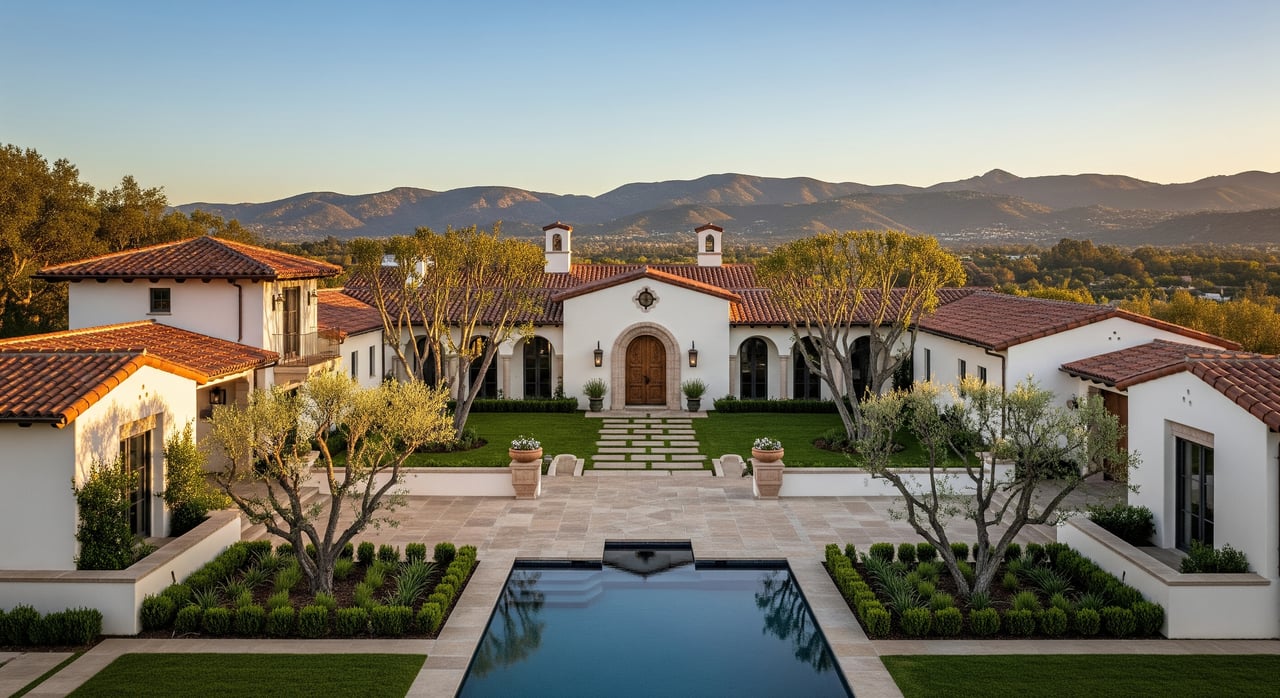
Thinking about listing your Rancho Santa Fe estate? In a thin, ultra-luxury market, the first price you choose can determine whether you attract qualified buyers or sit on the market. You want discretion, a streamlined process and a result that maximizes value without unnecessary delays. This guide shows you how to price strategically for Rancho Santa Fe, from understanding the Covenant and equestrian features to building a defensible price range and buyer targeting plan. Let’s dive in.
Why Rancho Santa Fe pricing is different
Rancho Santa Fe is an estate-driven market with low turnover and significant price dispersion. That means there are fewer true comparable sales and more variation in land, architecture and amenities. In thin markets, the right pricing and positioning matter because the buyer pool is selective and often private. Your goal is to justify value, remove friction and target the right buyers early.
A large share of properties sit within the private Rancho Santa Fe Covenant with architectural review, CC&Rs and other conditions. San Diego County permitting, septic rules and biological resource protections can also shape what you can change or expand. These constraints affect highest and best use, which directly influences market value.
Break value into components
You will get the best pricing result when you evaluate your estate as a set of value-bearing parts. Buyers and appraisers look at each piece for contributory value, cost to replicate and marketability.
Land utility and site
Usable acreage drives value more than raw acreage. Flat or gently sloped areas that can support guest houses, equestrian facilities or future improvements earn premiums. Steep slopes, drainage issues or protected habitat can limit usability and reduce value. Privacy features such as long gated driveways, mature screening and generous setbacks are also strong value enhancers.
Views and orientation
Panoramic ocean or canyon views can command notable premiums when paired with quality design and privacy. Consistent view corridors and alignment with neighboring uses help maintain those premiums. Orientation that brings in natural light and prevailing breezes also elevates perceived quality.
Services and infrastructure
Utility capacity and on-site systems affect both buyer confidence and ownership costs. The presence or absence of municipal sewer, private well performance, stormwater controls, paved access and modern utility capacity can impact pricing, financing and timing. Buyers will factor in the cost and complexity of any upgrades.
Equestrian facilities
Functional equestrian features are meaningful to a dedicated subset of buyers. Stalls, barns, covered arenas, irrigated paddocks, turnout and trail access add value when they are safe, well-drained and maintainable. Show-grade elements or highly specialized facilities can be powerful for the right buyer but narrower in appeal, so your pricing should reflect that select demand or potential conversion costs.
Architecture and construction quality
Architect or designer pedigree, structural systems, mechanicals and finishes all influence replacement cost and desirability. Authentic designs executed at a high level, from Spanish Colonial to contemporary estates by recognized architects, can outperform generic builds of similar size. Extremely idiosyncratic floor plans can reduce your buyer pool and may call for a pricing adjustment or a pre-listing plan to address functional issues.
Privacy, security and landscape design
Permanent privacy infrastructure matters to ultra-high-net-worth buyers. Mature trees, berms, perimeter walls and well-designed entry sequences can be as valuable as interior upgrades. Significant hardscape and landscape investments, such as specimen trees, formal gardens and water features, contribute both to perceived value and cost-to-replace.
Amenities and auxiliary structures
Guest houses, staff quarters, pools, pool houses, wine rooms, theaters and fitness spaces add value with diminishing returns the higher you go. The key is alignment with local demand and seamless execution. Special-purpose outbuildings like carriage houses or private offices can be a plus when they are flexible for alternate uses.
Environmental and title encumbrances
Open-space easements, protected habitat and utility easements can reduce developable acreage and should be priced accordingly. Water rights, well permits and septic capacity matter for estates with multiple structures or equestrian operations. Clear documentation helps buyers underwrite with confidence and supports your list price.
Appraisal approaches that matter
Pricing a custom estate benefits from triangulation across the main valuation approaches, adjusted to the realities of Rancho Santa Fe.
Sales comparison approach
This is often the primary method when relevant comps exist. In Rancho Santa Fe, comps are limited and rarely a perfect match. Expect well-documented adjustments for acreage usability, privacy, architectural pedigree, equestrian capability and condition. Time adjustments may be necessary if sales are older due to low turnover.
Cost approach
The cost approach gains weight for highly customized or special-purpose improvements. Appraisers estimate site value and replacement cost, then subtract depreciation to establish a defensible floor. This is especially helpful when comps are scarce or when your estate includes complex barns, arenas or recent major renovations.
Income approach
Rarely central for private residences, but it can be relevant if the property has verifiable income from ancillary units, boarding or training operations. In some cases, it helps evaluate alternatives for highest and best use.
Special considerations
Because paired-sales analysis is difficult in thin luxury segments, appraisers may rely on market participant interviews and documented buyer motivations to support adjustments. Specialty consultants and reports can be critical for complex assets, from geotechnical to equine facility inspections.
Risks of overpricing in a thin market
Overpricing in a luxury, low-turnover market can extend days on market and increase carrying costs. Extended exposure often leads to price reductions and lower ultimate sale prices. Liquidity can also be sensitive to macro conditions such as interest rates, credit and broader economic shifts.
Financing adds another layer. Many buyers are cash, but jumbo or portfolio lending still occurs. Lenders may not credit certain special-purpose improvements at full value, which can create appraisal gaps. Your pricing plan should anticipate this risk.
Price banding and list strategy
Create a documented price range that covers aggressive, market and conservative targets. Tie each band to comps, cost-to-replace and your estate’s unique features. For fiduciaries, memorialize why your chosen target balances market value and time-to-sell needs.
- Aggressive: Seeks to capture top-end premiums for privacy, design pedigree or turnkey condition. Requires best-in-class marketing and strict showing protocols.
- Market: Anchored in the strongest comps with clear, supportable adjustments and documentation.
- Conservative: Prioritizes shorter time on market or confidentiality needs when timing or liquidity is the driving factor.
Exposure and buyer targeting
Some sellers prefer limited exposure to a curated list of qualified buyers to preserve privacy and reduce disruption. Off-market or pocket strategies can work when your estate’s features match a known set of active principals. The trade-off is less price discovery and fewer opportunities for competitive tension. Your advisor should discuss both pathways and recommend the right fit for your goals.
Typical buyer segments include:
- Local high-net-worth buyers seeking privacy and proximity to San Diego amenities.
- Greater Los Angeles and Orange County principals seeking second homes with acreage and privacy.
- Equestrian buyers who prioritize turnout, arenas and trail access.
- Select national and international buyers focused on climate, security and lifestyle.
- Turnkey seekers vs. opportunity buyers pursuing renovation potential.
Your marketing should highlight the components each group values most, from land utility and equestrian readiness to architectural pedigree and privacy systems.
Turnkey premiums and value-add pricing
Move-in-ready estates often command a premium. Buyers seeking immediate use will pay more for updated systems, modern layouts and well-documented maintenance. If your property needs significant modernization, you can still achieve strong results by communicating scope, providing bids or cost-to-cure details and pricing accordingly to attract opportunity-focused buyers.
Appraisal gap mitigation
To reduce deal risk, anticipate where lenders may disallow value for special-purpose features. Provide thorough documentation of costs, permits and specialty reports. Be ready with structured solutions such as price flexibility or concessions tied to verifiable upgrade value. Transparency helps lenders and buyers underwrite with confidence.
Timing and market sensitivity
High-end markets react to macro shifts quickly. Stock market volatility, interest rates and tax policy can change the size and urgency of your buyer pool. Set expectations for marketing timelines and build in decision points to adjust pricing or exposure strategy as conditions evolve.
Pre-listing documentation checklist
A complete due diligence packet reduces friction, supports your list price and positions you to move efficiently through escrow. Assemble these items before you launch:
- Current title report and easements list
- Recent ALTA or boundary survey
- Permit history and certificates of occupancy for major improvements
- Septic, wastewater and well test documentation as applicable
- Condition inspections for roof, foundation, termite and MEP systems
- Specialty reports for barns, arenas and equine facilities
- Architectural plans and any as-builts
- Operating histories and maintenance logs for equestrian components
- Documentation for conservation or open-space restrictions
- HOA or Covenant compliance documentation and any pending assessments
Show-ready marketing that protects privacy
Sophisticated buyers expect premium presentation with privacy in mind. High-caliber photography, measured drawings, drone and twilight imagery and controlled showing protocols help underscore value while respecting discretion. Clear property rules for access, time windows and documentation requirements protect your security and elevate perceived quality.
Why your choice of advisor matters
Success in Rancho Santa Fe is equal parts strategy and execution. You need an advisor who understands the Covenant, equestrian nuances, local permitting and the realities of thin-market comparables. You also need a team that can curate exposure to the right buyers, present impeccable documentation and negotiate with calm authority.
If you are considering a sale, request a confidential, data-backed pricing plan that fits your timing and privacy preferences. For discreet guidance and a tailored valuation of your Rancho Santa Fe estate, connect with Debe McInnis to Request a Confidential Home Valuation.
FAQs
How is pricing different for Rancho Santa Fe luxury estates?
- The market is thin with few true comps, so you price by component value, replacement cost and defensible adjustments rather than simple price per square foot.
What is the Rancho Santa Fe Covenant and why does it matter?
- It is a private association with CC&Rs and architectural review that can affect permitted changes, highest and best use and ultimately market value.
Do equestrian facilities add value to my estate?
- Yes, when functional and well-documented, but specialized facilities appeal to a narrower buyer subset and should be priced with that select demand in mind.
Which appraisal methods are most useful here?
- Sales comparison is primary when comps exist, while the cost approach becomes important for unique custom or special-purpose improvements.
How can I reduce the risk of an appraisal gap?
- Provide thorough documentation of improvements, permits and specialty reports, and be prepared with structured solutions such as price flexibility or concessions.
Should I consider an off-market sale for privacy?
- It can work for certain estates and sellers, but it narrows price discovery; weigh privacy and speed against the potential benefits of broader exposure.