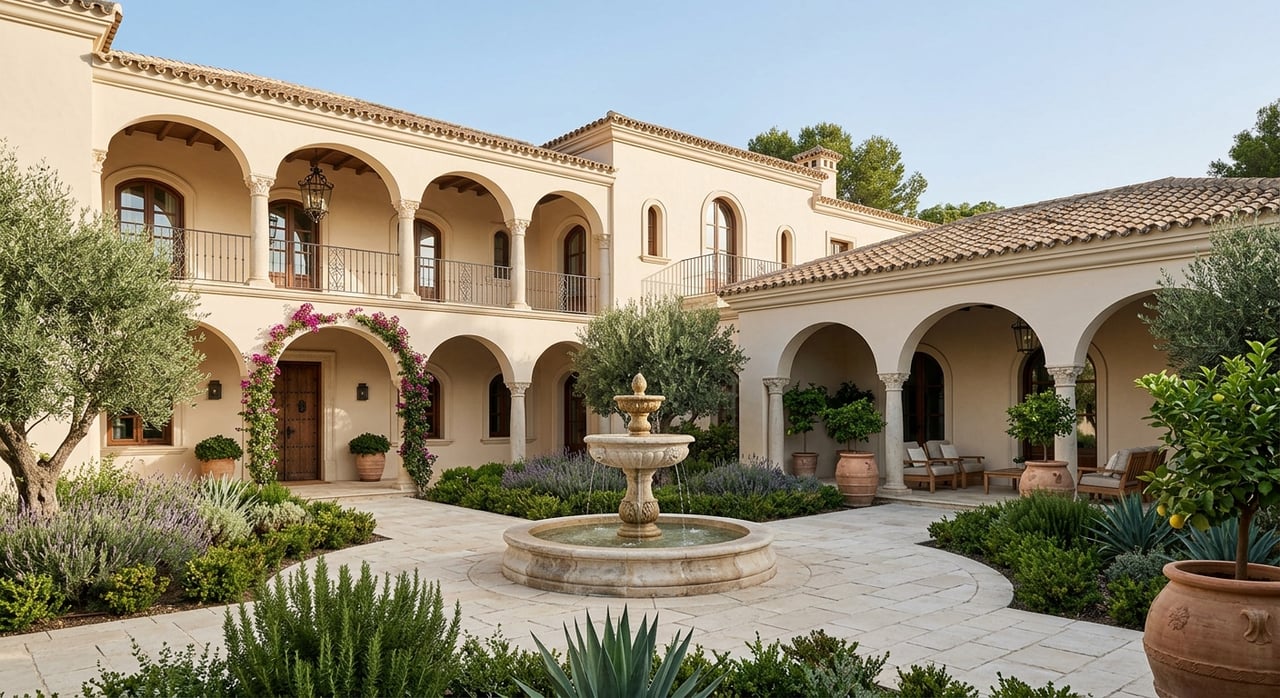
If your Rancho Santa Fe estate has been lovingly maintained for years, you may still wonder whether it feels right for today’s buyer. In a market where buyers have time, options, and high expectations, presentation matters as much as location and pedigree. The good news is that you do not need to reinvent a special property to make it more compelling. You simply need a thoughtful plan that honors the estate’s character while helping it feel current, polished, and easy to step into. Let’s dive in.
Why preparation matters in Rancho Santa Fe
Rancho Santa Fe is a selective luxury market, not a market where every well-located home sells quickly. According to Redfin’s Rancho Santa Fe housing market data, the February 2026 median sale price was $3,995,000, median days on market were 91, and the sale-to-list ratio was 94.0%. The same source suggests a practical reality for sellers: condition, presentation, and pricing discipline can make a meaningful difference.
The broader luxury landscape supports that point. NAR’s 2025 Profile of Home Buyers and Sellers found an all-time high share of all-cash buyers during the survey period, while mortgage rates averaged 6.69%. In plain terms, many luxury buyers are well informed, financially prepared, and highly selective.
Start with Rancho Santa Fe context
Respect the Covenant and design review
Rancho Santa Fe is not a one-size-fits-all resale environment. The San Dieguito Community Plan describes the Covenant area as a historic district with large-lot estate development, a pedestrian-scale village, and closely regulated architecture. It also notes that the Rancho Santa Fe Association establishes and enforces planning and design standards.
If you are considering exterior changes, timing matters. The Rancho Santa Fe Association Architectural Review Process explains that the Art Jury reviews projects to preserve community character and uphold future architectural quality. That means visible exterior work, even when well intentioned, may require more lead time than sellers expect.
Plan landscaping with compliance in mind
Landscaping in Rancho Santa Fe is not only about beauty. The Rancho Santa Fe Fire Protection District landscaping requirements state that landscaping and fuel-modification plans are required for residential, commercial, and multi-family projects, and note that some plant species are more flammable than others. For estate sellers, this turns exterior preparation into both a presentation issue and a regulatory one.
Focus first on curb appeal
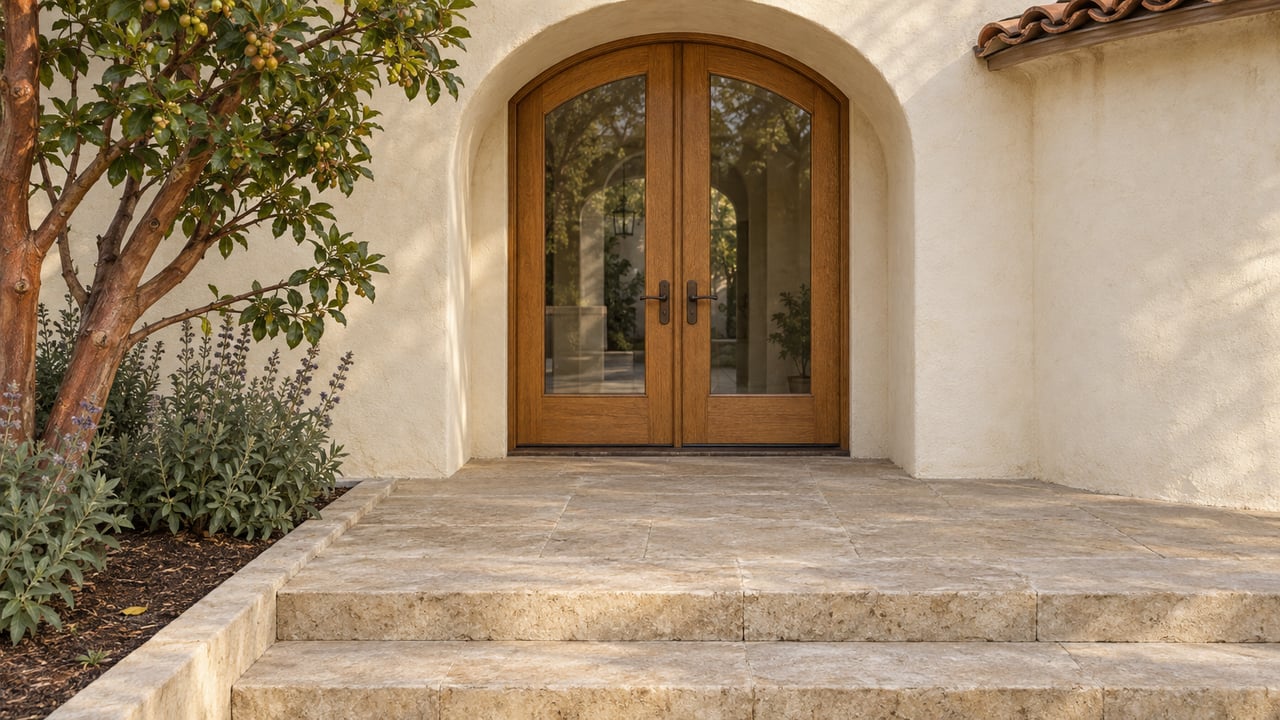
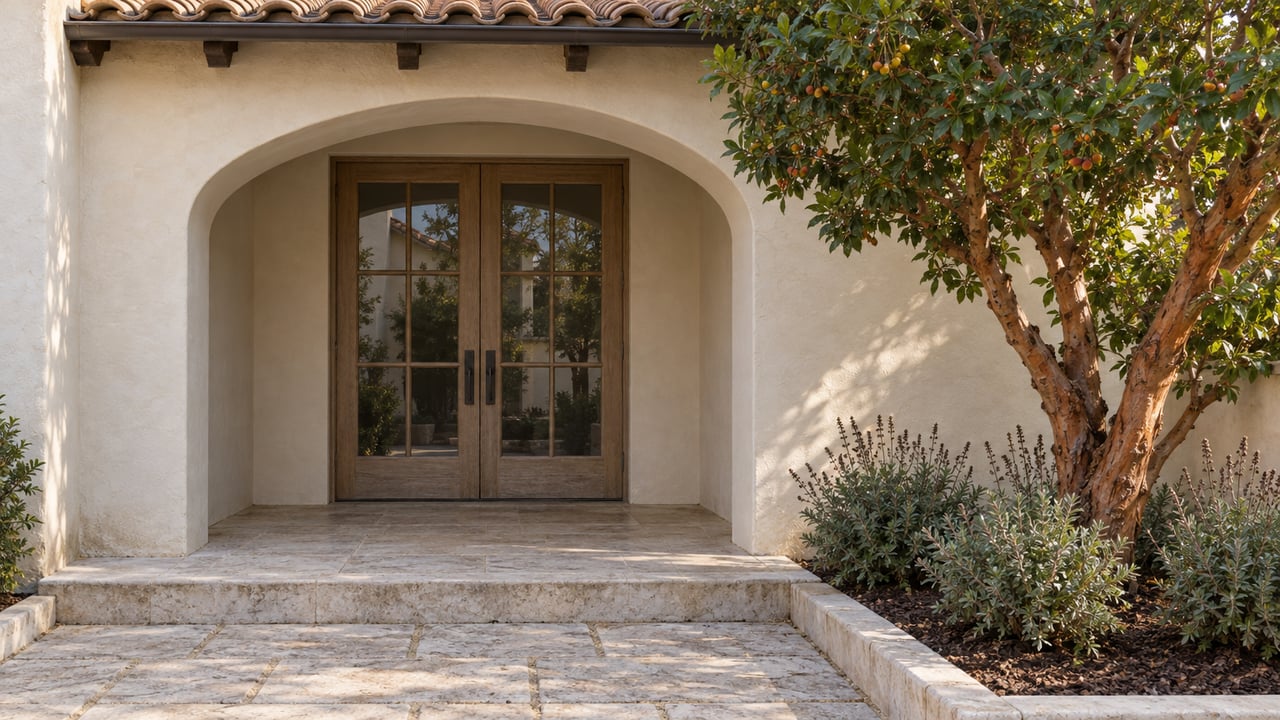
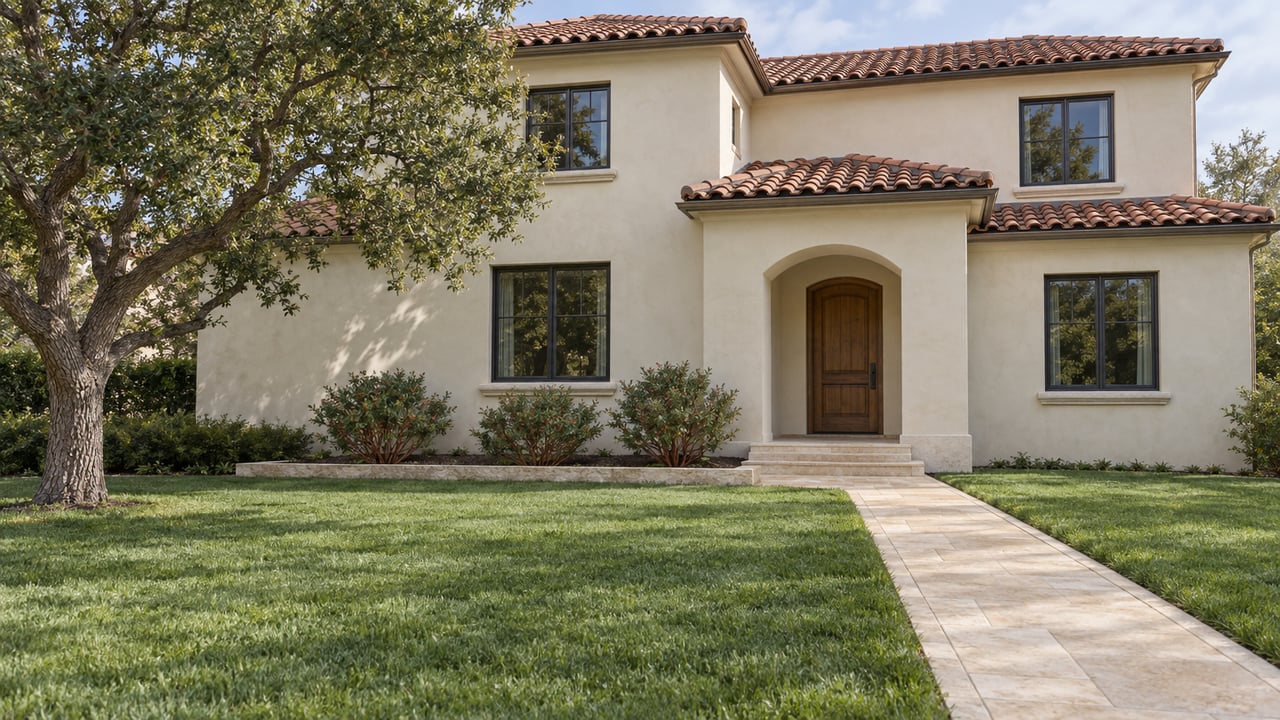
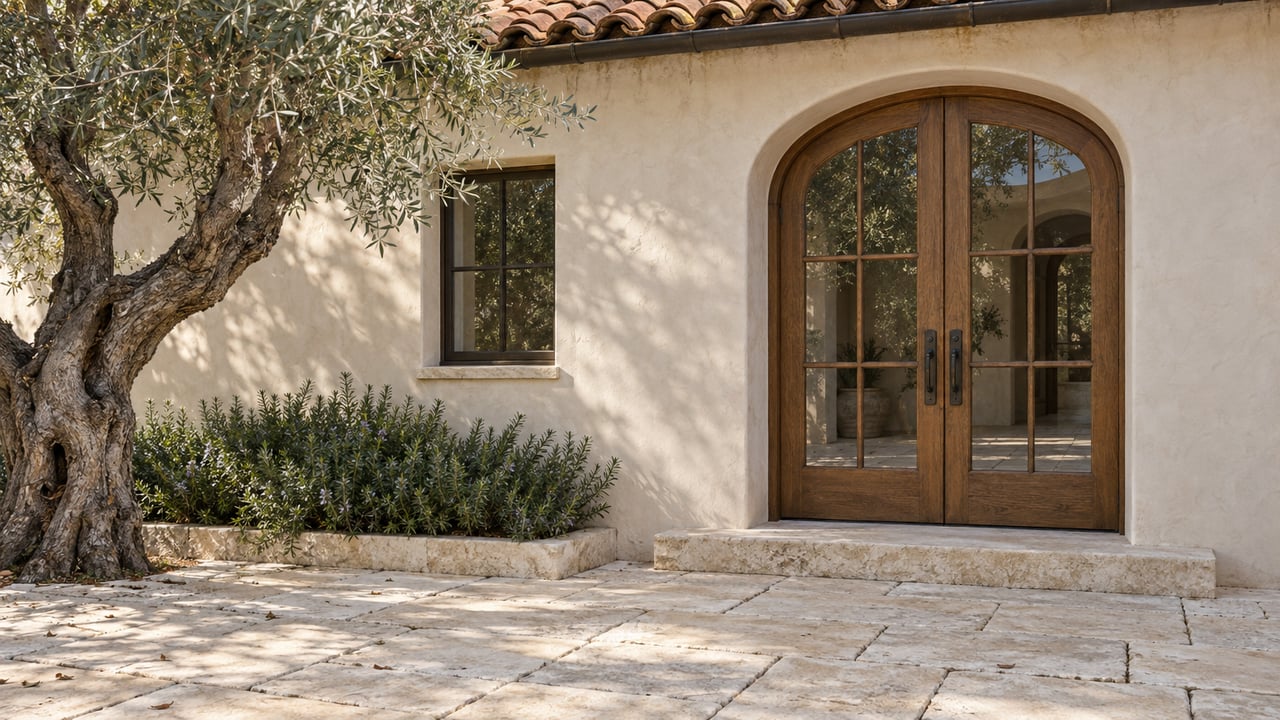
In an estate setting, the approach to the home sets the tone long before a buyer sees the kitchen or primary suite. NAR’s 2025 Remodeling Impact Report on Outdoor Features found that 92% of REALTORS recommend curb appeal improvements before listing, while 97% said curb appeal is important in attracting a buyer. That is especially relevant in Rancho Santa Fe, where arrival, privacy, and landscape character are part of the value story.
Before considering larger projects, prioritize the basics that create an immediate sense of care:
- Refresh the front entry experience
- Clean and repair gates, walls, and driveway surfaces
- Prune overgrowth and remove tired plantings
- Check irrigation visibility and landscape health
- Improve hardscape cleanliness and consistency
- Review outdoor lighting for a warm, polished evening look
These updates are often more effective than a large, taste-specific remodel. Buyers notice whether an estate feels maintained, calm, and ready to enjoy.
Make the home feel turnkey
Today’s luxury buyers often want intention over excess. The Institute for Luxury Home Marketing’s 2026 outlook notes rising interest in privacy, security, indoor-outdoor living, flexible rooms, wellness amenities, smart-home integration, and turnkey condition. The same report says buyers are also evaluating risk, insurance, climate exposure, and regulation alongside lifestyle.
For you as a seller, that means the goal is not to make the home trendier. The goal is to reduce friction. A buyer should walk in and feel that the property has been cared for, functions well, and fits modern living without losing its authenticity.
Prioritize light, visible improvements
The 2025 NAR/NARI Remodeling Impact Report found that the most commonly recommended pre-listing projects were painting the entire home, painting a single interior room, and installing new roofing. It also found strong cost recovery for contained upgrades such as a new steel front door and closet renovation.
That data points to a simple strategy. Start with updates that buyers can easily see and appreciate:
- Fresh interior paint where finishes feel tired
- Repair of visible wear and deferred maintenance
- Updated front door or refreshed hardware if needed
- Closet improvements that support organization and ease
- Roofing or exterior repairs when condition is a concern
These improvements tend to support value without pushing the home into over-improvement.
Be careful with kitchens and baths
Kitchens and baths matter, but not every estate needs a major renovation before sale. The same remodeling data suggests that contained, visible updates often make more sense than broad custom rebuilding when your goal is market readiness. If a kitchen or bath is clearly dated or functionally weak, targeted updates may help. If the spaces are high quality but simply reflect a previous design era, thoughtful styling and presentation may be enough.
The Institute for Luxury Home Marketing’s guidance on what buyers want in 2026 supports that approach. Buyers are looking for enduring quality and flexibility, not overly personal design choices that may limit appeal.
Highlight wellness and flexible living
Luxury buyers are placing more weight on comfort and function. Zillow’s 2026 Home Trends report found that mentions of wellness features were up 33% year over year, spa-inspired bathrooms were up 22%, reading nooks were up 48%, and defensible-space landscaping was up 36%. Zillow also reported that 86% of buyers rated a home being climate-proof as very important, while 44% said the same for wildfire-resistant landscaping.
In Rancho Santa Fe, that does not mean adding every new feature. It means presenting your existing spaces in a way that helps buyers understand how they can live well there. A quiet sitting room can become a reading retreat. A secondary bedroom can be styled as a flexible office or wellness room. A terrace can be staged as an outdoor lounge that extends everyday living.
Stage the rooms that matter most
Staging is one of the most practical ways to help an estate feel current without changing its architecture. NAR’s 2025 Profile of Home Staging found that 83% of buyers’ agents said staging makes it easier for buyers to visualize a property as a future home. The most commonly staged rooms were the living room, primary bedroom, and dining room.
For Rancho Santa Fe estates, the highest-impact staging plan often focuses on:
- The main living room or great room
- The primary bedroom and bath
- The dining room
- The kitchen and breakfast area
- Outdoor entertaining areas
- Guest house or flex spaces, if present
The goal is clarity. Buyers should quickly understand how the home lives, entertains, and relaxes.
Treat outdoor living as essential
In Rancho Santa Fe, outdoor spaces are not secondary. They are part of the home’s lifestyle appeal and often a major factor in emotional connection. Terraces, pool areas, courtyards, garden paths, and covered seating areas should be prepared with the same care as interior rooms.
This is also where the current market intersects with local practicalities. Buyers increasingly value resilient landscaping, and Rancho Santa Fe’s fire-related landscape requirements make that even more relevant. When outdoor spaces feel beautiful, well maintained, and thoughtfully planned, they support both the lifestyle story and buyer confidence.
Use media that captures the estate experience
A property of this scale and setting needs more than standard listing photography. Buyers should be able to understand not just rooms, but flow, grounds, and the relationship between indoor and outdoor spaces. Zillow’s home trends guidance recommends virtual presentation tools that help buyers experience wellness spaces and outdoor oasis areas, which is especially useful for properties with terraces, pools, guest houses, or garden rooms.
Strong media should show:
- Arrival and approach
- Architectural character
- Key entertaining spaces
- Primary suite experience
- Outdoor living zones
- The overall setting and privacy of the estate
For discerning buyers, presentation is part of perceived value.
Avoid costly over-improvement
One of the biggest mistakes luxury sellers can make is spending heavily on upgrades that are too personal, too extensive, or out of step with the home’s architecture. Across the luxury reports, the consistent message is selective investment. Buyers want quality and functionality, but they are not always willing to pay a premium for someone else’s very specific taste.
That caution matters even more in Rancho Santa Fe. Between architectural consistency, historic character, and review considerations, broad changes can create expense and delay without a clear return. In many cases, preserving the estate’s original strengths while updating presentation is the smarter path.
A practical preparation timeline
If you are planning ahead, sequence matters. Based on the local review process and landscape requirements, approval-sensitive exterior items should be addressed early, followed by maintenance and cosmetic improvements, with staging and media closer to launch.
A practical timeline often looks like this:
| Timing | Priority |
|---|---|
| 6 to 18 months out | Review exterior changes, landscape planning, and approval-sensitive work |
| 3 to 6 months out | Complete deferred maintenance, paint refreshes, repairs, and curb appeal upgrades |
| 2 to 6 weeks out | Stage priority rooms, refine outdoor living areas, and prepare photography and marketing media |
This kind of sequence can help you avoid rushed decisions and protect the estate’s presentation when it matters most.
The right goal for today’s market
Preparing a Rancho Santa Fe estate for today’s buyers is not about making it generic. It is about making it easy to appreciate. In a market where buyers are selective and homes may take time to sell, the strongest strategy is usually to preserve character while improving condition, clarity, and ease of ownership.
That means focusing on curb appeal, landscape health, light refreshes, thoughtful staging, and polished media. It also means planning early when exterior work may involve review or compliance. With the right preparation, your home can feel true to Rancho Santa Fe and highly relevant to the way luxury buyers live now.
If you are considering a sale and want discreet, senior-level guidance on how to position your property, Debe McInnis offers tailored advice, valuation insight, and a high-touch marketing approach designed for estate-level homes.
FAQs
What preparation matters most when selling a Rancho Santa Fe estate?
- The highest-impact areas are usually curb appeal, landscape health, deferred maintenance, light paint and finish refreshes, and staging of main living spaces and outdoor entertaining areas.
How long does it take to prepare a Rancho Santa Fe home for sale?
- Timing depends on the work involved, but homes with exterior changes or landscape updates may need a longer runway because local review and approval processes can add lead time.
Should you remodel a kitchen before listing a Rancho Santa Fe property?
- A full remodel is not always necessary. If the kitchen is clearly dated or functionally weak, targeted updates may help, but many sellers are better served by selective improvements and strong presentation.
Why is landscaping so important for Rancho Santa Fe sellers?
- Landscaping shapes first impressions, supports the estate setting, and may also involve local fuel-modification and planting considerations that affect both presentation and compliance.
What do today’s luxury buyers in Rancho Santa Fe seem to want?
- Current reports point to buyer interest in privacy, turnkey condition, indoor-outdoor living, flexible rooms, wellness-oriented spaces, smart-home integration, and landscapes that feel both beautiful and resilient.