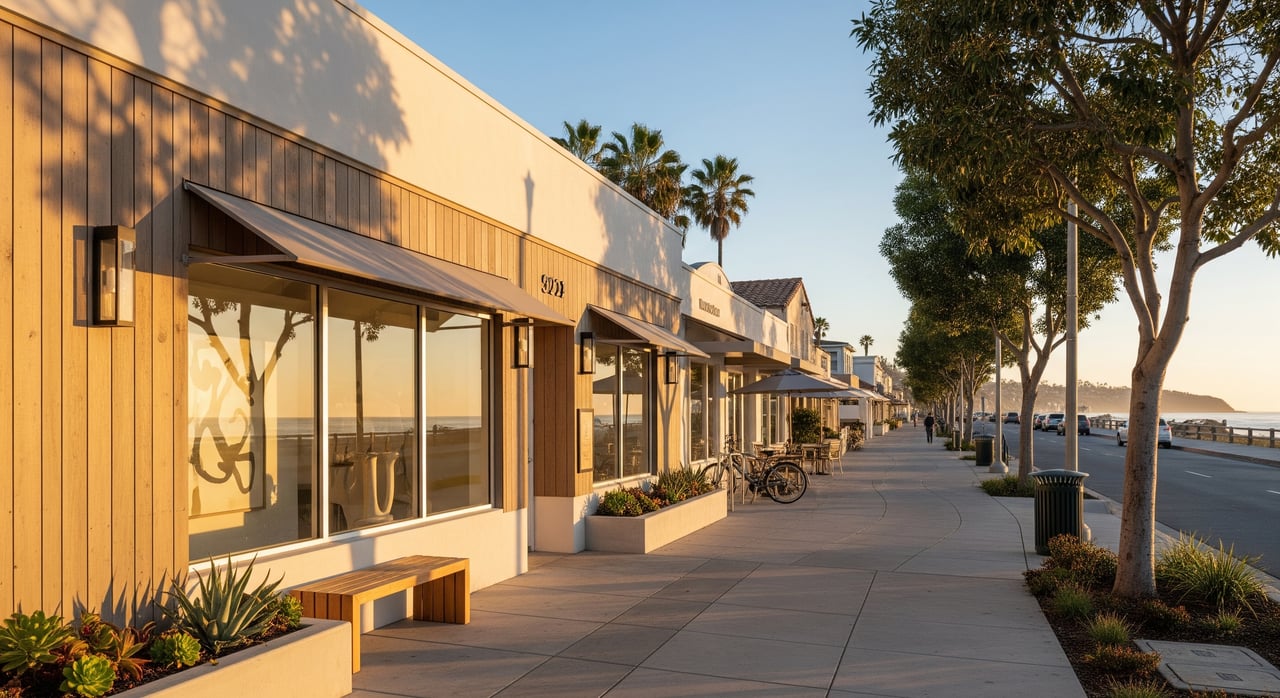
What does a truly walkable life in Solana Beach look like? Picture coffee on Cedros, an afternoon surf at Fletcher Cove, and a quick rail ride to downtown San Diego without getting in the car. If you value easy errands, dining, beach time and low‑stress commuting, you are in the right place. In this guide, you will see where the most walkable pockets are, what daily life feels like in each, and how to choose the right home with eyes wide open on HOAs, coastal rules and value tradeoffs. Let’s dive in.
Why Solana Beach fits walkable living
Solana Beach is compact and coastal, with several pockets where shops, dining, parks, and transit cluster within a short stroll. Cedros Avenue is the heart of the scene for boutiques and cafés. Fletcher Cove anchors beach access and park space. Around Solana Beach Station, you get COASTER and Amtrak service plus direct pedestrian routes to Cedros and the water. Together, these nodes create a practical framework for car‑light living.
The most walkable pockets
Cedros Avenue Design District
Cedros Avenue is Solana Beach’s pedestrian‑oriented spine, lined with galleries, home goods stores, cafés and sit‑down restaurants. From nearby residential blocks, you can be among curbfront storefronts in roughly a 5 to 10 minute walk. Daily conveniences include coffee, specialty food markets, personal services and a lively street scene that rewards short errands on foot. Parking can be tight at peak times, so living close by pays off if you prefer to skip the hunt.
Who it suits: buyers who want a “walk‑to‑everything” lifestyle with dining and design at their doorstep. Second‑home owners often like the low‑maintenance options nearby and the ability to lock, leave and return for long weekends.
Fletcher Cove and beach access corridors
Fletcher Cove Park is the main community beach and oceanfront park. It offers beach access, picnic spots, a playground and seasonal community events. Residential streets above the bluffs feed into stairways and paths down to the sand. Expect to walk a few minutes to reach a bluff stairway, then navigate steps to reach the beach. If mobility is a priority, test the exact route to confirm it works for you.
Who it suits: buyers focused on surf, sand and ocean views who accept coastal tradeoffs like higher insurance needs and more maintenance from salt air.
Around Solana Beach Station
Solana Beach Station brings regional connectivity with NCTD’s COASTER commuter rail and Amtrak’s Pacific Surfliner. From homes near the station, you can walk to trains, reach downtown San Diego, connect north to Oceanside and beyond, and follow pedestrian paths to Cedros and the beach. Proximity boosts convenience for commuters and second‑home owners who want to arrive by rail. As with any station area, check block‑level conditions, including train noise and evening activity.
Who it suits: buyers who want transit access without driving, or who value a car‑light lifestyle with easy links to employment centers and coastal towns.
Other micro‑clusters on Lomas Santa Fe Drive
Along Lomas Santa Fe Drive, you will find pockets of neighborhood retail, services and restaurants. From nearby blocks, these clusters can reduce driving for day‑to‑day needs. Because walkability is highly block‑specific in Solana Beach, map your actual routes and timing rather than relying on broad neighborhood names.
What “walkable” means in minutes
When you think in minutes instead of miles, walkability gets practical.
- A 5‑minute walk is about 0.25 mile. This usually means one close block or two.
- A 10‑minute walk is about 0.5 mile. This is a realistic daily errand radius.
In Solana Beach’s walkable pockets, many buyers look for coffee, casual dining, boutique retail and a small market within 5 to 10 minutes. Transit stops near the station and beach access near Fletcher Cove are often reachable in that same window. Personal services like a pharmacy or medical office may be a slightly longer walk depending on your block.
Pedestrian context matters. Sidewalks are generally continuous on Cedros and parts of Lomas Santa Fe, but crosswalks and mid‑block crossings vary. Beach parking at Fletcher Cove exists but can be limited during peak hours, which is another reason locals often walk from nearby streets.
Housing types and HOA essentials
Walkable pockets in Solana Beach offer a mix of homes. Your best fit depends on how you plan to use the property and how much maintenance you want to handle.
Condos and townhomes near Cedros and the station
Close to Cedros and the rail station, you will see low‑rise multifamily buildings, condos and townhomes. These are popular with second‑home buyers and anyone seeking a lock‑and‑leave lifestyle. Many have homeowners associations that cover common area maintenance, landscaping and portions of exterior insurance. Dues and inclusions vary by building age, amenities and services.
Single‑family homes along the coast
Coastal cottages, mid‑century ranch homes, remodeled properties and higher‑end oceanfront residences sit along the bluffs and view corridors. These often come without an HOA, unless part of a planned community. Proximity to the ocean can mean premium pricing, distinct regulatory considerations and higher insurance costs, balanced against exceptional access to beach recreation.
HOA due diligence checklist
Before you make an offer on a condo or townhome, review:
- Budget and reserve study to understand long‑term planning
- Special assessment history and any pending projects
- Insurance coverage in the master policy and what you must carry
- Rental restrictions and minimum lease periods
- Pet policies and rules on renovations
- Meeting minutes for recurring building issues
Coastal rules, STRs, insurance and maintenance
Coastal living brings rewards and responsibilities. Plan for these topics up front to avoid surprises.
Short‑term rentals and local rules
Coastal cities often regulate short‑term rentals. If you want occasional STR income, verify Solana Beach’s current rules, permits, business license needs and any zoning limitations before you buy. If the home is in an association, confirm the HOA rental policy and minimum lease terms. Rules can change, so rely on up‑to‑date city and association documents during your due diligence.
Coastal permits, flood zones and bluffs
Homes near the shoreline may be subject to California Coastal Commission policies and the City’s Local Coastal Program. Bluff‑top lots and oceanfront homes can have setback requirements, geotechnical considerations and coastal development permit needs for remodels or new construction. Some parcels may fall within FEMA flood zones. As part of your inspections, obtain the relevant maps and reports, and consult qualified professionals for bluff stability when appropriate.
Insurance and coastal upkeep
Coastal properties can carry higher premiums due to wind, salt exposure and potential flood risk. You may also need additional coverage, such as private flood insurance, depending on location. Salt air accelerates wear on metal, paint and woodwork, which means thoughtful maintenance planning, especially for part‑time residents.
Value, tradeoffs and buyer fit
Walkability often correlates with stronger demand in Solana Beach, but your personal priorities should guide your decision.
- Premiums and pace. Proximity to Cedros, the beach or the station can support higher prices and quicker resale for the right property type. Exact premiums vary by block, building and views.
- Activity vs. quiet. Living near a retail corridor or rail station brings energy, convenience and evening activity. Some buyers love the buzz. Others prefer streets with less turnover and noise.
- Cost vs. convenience. Ocean views and beach adjacency can come with higher ownership and insurance costs, balanced by a top‑tier coastal lifestyle.
The Commuter
You want easy rail access and a car‑light routine. Look near the Solana Beach Station with a comfortable walking route to platforms and Cedros. Confirm train noise tolerance and check parking for guests.
The Coastal Second‑Home Buyer
You want the beach, low maintenance and simple ownership. Focus on condos or townhomes near Cedros and the station, or cottages within a short walk to Fletcher Cove. Review HOA rules on rentals and pets, and plan for seasonal maintenance.
The Local Lifestyle Buyer
You want daily convenience and a vibrant street scene. Target blocks within a 5 to 10 minute walk to Cedros for coffee, dining and galleries. Test your route to the beach and verify where you will handle groceries and pharmacy runs.
How to test a property’s walkability
Use this quick, practical process during showings.
- Time your walks. Measure the route in minutes to Cedros, the nearest grocery or specialty market, Fletcher Cove access and Solana Beach Station.
- Check the path. Note sidewalks, crosswalks, lighting, shade and any steep grades or stairs.
- Observe noise. Visit during commute hours and evenings to gauge train sounds, restaurant activity and event traffic.
- Verify parking. Confirm assigned spaces, guest parking, curb time limits and any permit zones.
- Review documents. For HOAs, read the CC&Rs, budget, reserves, insurance, rental rules and meeting minutes. For coastal lots, pull FEMA flood maps and ask about any coastal permits.
- Consider transit. Look up current COASTER and bus timetables to make sure the schedule fits your routine.
Daily life by pocket: a quick snapshot
- Cedros Avenue. Coffee, boutiques, galleries and sit‑down restaurants in a compact corridor. High convenience with limited parking at peak hours.
- Fletcher Cove. Park, playground and beach access with bluff stairways. Ocean recreation close at hand.
- Station area. COASTER and Amtrak access with walkways to Cedros and the beach. Strong option for commuters and second‑home buyers.
- Lomas Santa Fe Drive. Scattered retail and services that can cover day‑to‑day needs if you live nearby.
Ready to explore walkable Solana Beach?
If you want a guided search that balances lifestyle, due diligence and value, connect with a local advisor who knows the blocks, not just the zip code. As a long‑time coastal resident with more than 30 years of North County market experience, I help you pinpoint the right pocket, verify the details and negotiate with confidence. Reach out to Debe McInnis for a confidential consultation tailored to your goals.
FAQs
What are the most walkable areas in Solana Beach for newcomers?
- Cedros Avenue, Fletcher Cove and the blocks around Solana Beach Station offer the strongest cluster of shops, dining, beach access and transit within short walking times.
How far is a practical walk to Cedros or the beach from nearby homes?
- A 5‑minute walk is roughly 0.25 mile and a 10‑minute walk is about 0.5 mile, which matches typical daily‑errand distances in Solana Beach’s walkable pockets.
What should condo buyers near Cedros check in the HOA?
- Review the budget, reserves, special assessments, master insurance, rental rules, pet policies and meeting minutes to understand costs and any recurring building issues.
Are there special rules for remodeling close to the shoreline in Solana Beach?
- Properties near the coast may be subject to California Coastal Commission policies and the City’s Local Coastal Program, which can require permits, setbacks and geotechnical review.
Is living near Solana Beach Station noisy and how can I evaluate it?
- Train activity can introduce noise; visit at commute times and evenings to assess tolerance, and verify the exact block‑level conditions before you commit.