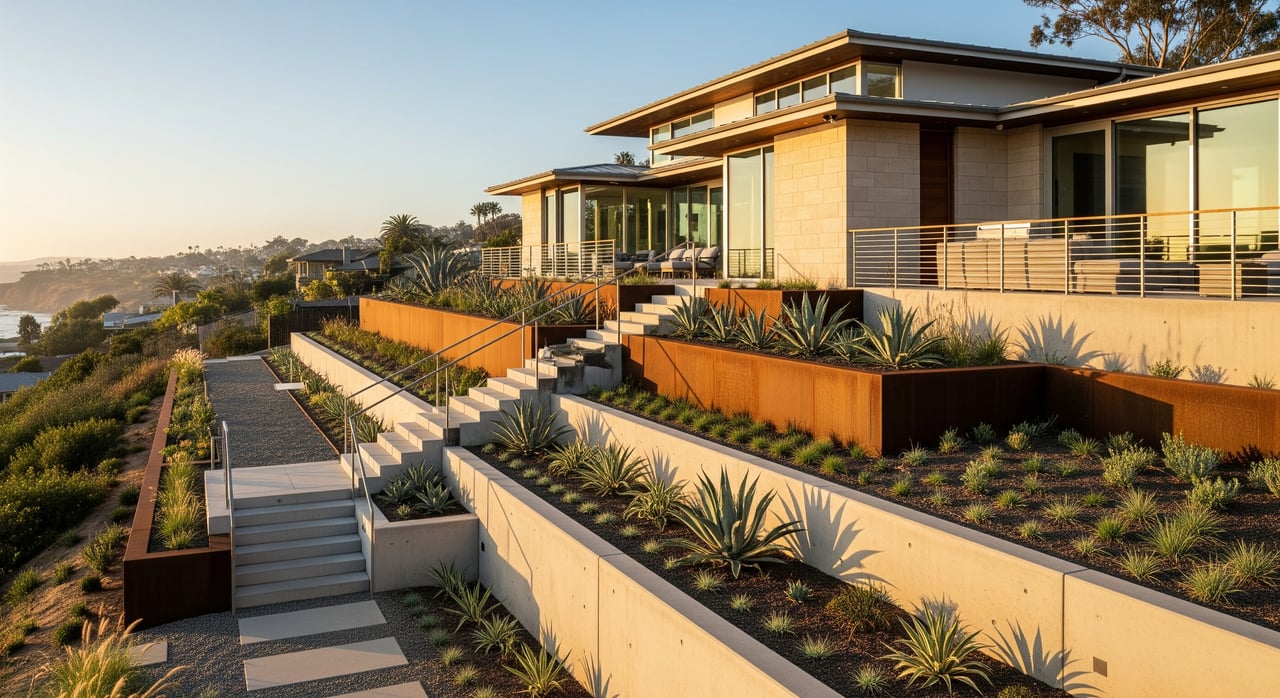
Thinking about opening up ocean views with a hillside remodel in La Jolla? The payoff can be incredible, but the path runs through geotechnical studies, grading permits and careful drainage planning. You are right to pause before you dig. Slopes, bluffs and groundwater behave differently here, and the rules are precise.
This guide gives you the essentials: when you need a geotechnical report, how grading and drainage are handled, typical costs and timelines, and practical steps to reduce risk. It is tailored to La Jolla within the City of San Diego. Let’s dive in.
Why geotech and grading matter in La Jolla
La Jolla’s steep coastal hills, marine terraces and bluff edges face erosion, seasonal groundwater and past landslides. Shaking from regional earthquakes can also affect slope stability and foundation performance. For background on hazards, explore the California Geological Survey’s hazard resources and maps and the USGS earthquake hazard resources.
Your project will also move through local and state frameworks. Most hillside work in La Jolla is reviewed by the City of San Diego’s Development Services Department. Depending on location and scope, you may also interact with the California Building Code, the California Coastal Commission for coastal zone work, and stormwater rules from the State Water Resources Control Board.
- City review and permits: City of San Diego Development Services Department
- Coastal zone guidance: California Coastal Commission
- Building codes: California Building Code via the Building Standards Commission
- Hazards and seismic context: California Geological Survey and USGS Earthquake Hazards
When you need a geotechnical study
You will typically need a licensed geotechnical engineer when your remodel affects the hillside or loads on the structure. Common triggers include:
- New foundations or structural changes on a slope, such as additions or major remodels.
- Grading beyond local thresholds, or cuts and fills above common heights.
- Retaining walls that support slopes, or changes to slope geometry.
- Work near coastal bluffs or within required setbacks.
- Evidence of landslide deposits, earth movement, seepage or shallow groundwater.
- Concentrating stormwater near a slope or bluff edge.
- Specific requests from your lender, insurer or the City during plan review.
Always verify current thresholds and submittal needs with the City of San Diego Development Services Department.
What a La Jolla geotechnical report includes
A typical hillside report addresses:
- Site reconnaissance and review of local hazard maps.
- Subsurface exploration with borings or test pits, and lab testing.
- Groundwater observations and seasonal considerations.
- Slope stability analyses under static and seismic conditions.
- Foundation recommendations, settlement estimates and bearing values.
- Retaining wall design parameters and required wall drainage.
- Grading, compaction and temporary shoring recommendations.
- Surface and subsurface drainage strategies and erosion control.
- Field observation and materials testing during construction.
- Limitations, maintenance needs and, when relevant, long‑term monitoring.
Reports should be prepared and stamped by a California‑licensed geotechnical engineer or a civil engineer with geotechnical expertise. Your structural engineer and specialty contractors will coordinate on deep foundations, retaining systems or anchors when required.
Permits and reviews in the City of San Diego
Most hillside remodels need more than a building permit. Depending on scope and location, you may encounter:
- Grading permits for earthwork over local thresholds, engineered plan review and inspections.
- Building permits for structural changes that reference geotechnical recommendations.
- Coastal Development Permits for work in the coastal zone, especially near bluffs. The City processes most CDPs; some projects are appealable to the California Coastal Commission.
- Discretionary reviews or variances if you seek deviations from standards such as setbacks or height on slopes.
- Stormwater and erosion controls. Sites that disturb larger areas may need coverage under the State’s Construction General Permit. Smaller projects still require best practices for erosion and sediment control.
For community planning context, review the City’s La Jolla Community Plan.
Timelines and processing expectations
- Geotechnical fieldwork and analysis: about 2 to 8 weeks for preliminary results, longer if more borings or monitoring are needed.
- Plan check for ministerial building and grading permits: about 4 to 12 weeks.
- Discretionary reviews, including CDPs or variances: commonly 3 to 9 months or more based on complexity and community input.
- Construction inspections and geotechnical observation: ongoing during grading, foundation work and retaining wall construction.
Fees and consultant costs
Permit and application fees vary with scope. Budget for City plan check and grading permit fees, plus consultant costs. Typical consultant ranges for Southern California hillside work:
- Preliminary geotechnical letter: about $1,000 to $5,000.
- Full geotechnical investigation and report: about $5,000 to $25,000+, higher for complex bluff or unstable slopes.
- Borings: about $1,000 to $4,000 per boring, depending on depth and access.
- Construction observation and testing: often $3,000 to $20,000+.
- Specialized foundations, piles or anchors: can add tens to hundreds of thousands, depending on scope.
- Engineered retaining walls: from modest costs to significant investments for tall or anchored systems.
Drainage and slope stability essentials
Water control is the heart of hillside performance. Your design should avoid concentrating runoff on slopes or bluffs and should relieve subsurface water pressure.
Surface drainage
- Grade surfaces to route roof and site runoff to approved discharge points.
- Add perimeter drains and gutters to intercept sheet flow.
- Avoid outlets at bluff edges; disperse and route water away from slope faces.
- Use permeable paving and infiltration only where it will not increase moisture within sensitive slopes.
Subsurface drainage
- Use French drains, trench or curtain drains and toe drains to collect seepage.
- Provide drain rock and collection systems behind retaining walls to prevent hydrostatic pressure.
- Confirm legal, approved outlets for subdrains; do not discharge to neighboring property or over bluff faces.
Stabilization options
- Vegetation and bioengineering to limit shallow erosion where suitable.
- Engineered retaining walls sized for lateral pressures and drainage.
- Soil nails, rock anchors, micropiles or deep foundations where shallow solutions are not feasible.
- Temporary shoring and staged work to reduce risk during construction.
Maintenance and bluff specifics
- Maintain drains, gutters and wall weep holes, especially after heavy rain.
- Inspect slopes after storms and manage vegetation.
- Near coastal bluffs, expect strict setbacks and added scrutiny on drainage and erosion control by the California Coastal Commission. Long‑term monitoring plans are common in bluff areas.
Budget, contingencies and risk planning
Hillside conditions can evolve as you investigate. Build time and budget for contingencies:
- Additional borings or testing if early data are inconclusive.
- Design upgrades, such as deep foundations or expanded retaining walls.
- Permit delays due to coastal or discretionary review.
- Unforeseen subsurface conditions discovered during grading.
- Environmental constraints, such as protected habitats or tree protections.
A practical step‑by‑step plan
- Start early with a planning conversation. Book a pre‑application or intake meeting with the City of San Diego Development Services Department.
- Schedule a site walk with a local, licensed geotechnical engineer before finalizing design.
- Order a preliminary geotechnical evaluation to flag deal‑shaping constraints.
- Coordinate architecture and structural design with geotechnical recommendations.
- Prepare grading, drainage and erosion control plans consistent with the California Building Code and City requirements.
- Submit permits, allow time for plan check comments and geotechnical clarifications.
- During construction, follow the geotechnical observation and testing schedule, and keep drainage details pristine.
- After completion, follow maintenance and monitoring guidance from your geotechnical engineer.
Checklist to de‑risk your La Jolla remodel
- Verify your geotechnical engineer’s California license and local hillside experience.
- Confirm a clear scope: number and depth of borings, lab tests and deliverables.
- Require design parameters for foundations, retaining walls and drainage in the report.
- Document required construction observation and materials testing.
- Confirm which permits apply and who prepares submittals.
- Verify stormwater obligations and whether a Construction General Permit applies.
- Request explicit maintenance recommendations and monitoring triggers.
- Inform lenders and insurers early that geotechnical reports and field monitoring are common for hillside projects.
Work with a local advisor you trust
If you are weighing remodel, buy‑and‑improve or sell‑as‑is options in La Jolla, it helps to look at the full picture. Pair the technical plan with market insight, timing and value. A clear valuation and strategy can protect your capital and your timeline.
Ready to talk through scenarios and next steps in confidence? Request a Confidential Home Valuation with Unknown Company to align your remodel or sale plan with current market conditions.
FAQs
Do I need a geotechnical report for a hillside addition in La Jolla?
- Yes, most structural changes on slopes, new foundations, retaining walls or work near bluffs will trigger a geotechnical investigation under the California Building Code and City review.
What permits are common for La Jolla hillside remodels?
- Expect building and grading permits, and often a Coastal Development Permit within the coastal zone. Verify with the City of San Diego Development Services Department.
How long do permits and geotech studies take in San Diego?
- Geotechnical work commonly takes 2 to 8 weeks for initial results. Ministerial plan checks often run 4 to 12 weeks. Discretionary reviews, including CDPs, can take 3 to 9 months or more.
What does a grading permit cover in the City of San Diego?
- It authorizes earthwork above local thresholds, requires engineered grading plans and sets inspections for compaction, slope construction and drainage per City standards.
Can I discharge stormwater over a bluff edge in La Jolla?
- No. Designs should avoid concentrated discharge at bluff edges and route surface and subsurface water to approved outlets, consistent with City and Coastal Commission guidance.
How much does a geotechnical report cost for a hillside remodel?
- A preliminary letter can be about $1,000 to $5,000. Full investigations often range from $5,000 to $25,000+ depending on borings, testing and site complexity.