Does every ocean view in Del Mar add the same value? Not even close. Two homes can sit one street apart and command very different prices based on what you see, how you face the water, and what you hear. If you are buying or selling in Del Mar, understanding how view quality and setting translate to value can help you make sharper decisions.
In this guide, you will learn the four common view tiers buyers use, how orientation, privacy, noise, and bluff proximity shape demand, and what due diligence matters most. Let’s dive in.
What “ocean view” really means in Del Mar
Not all ocean views are equal. In Del Mar, buyers and appraisers often sort views into clear tiers so they can compare properties more fairly.
Peek view
A peek view is a small glimpse of the ocean between buildings or trees or from an upper floor only. It gives you a coastal feel at a lower cost. The trade-off is permanence. A neighbor’s remodel or tree growth can change or reduce it over time.
Horizon view
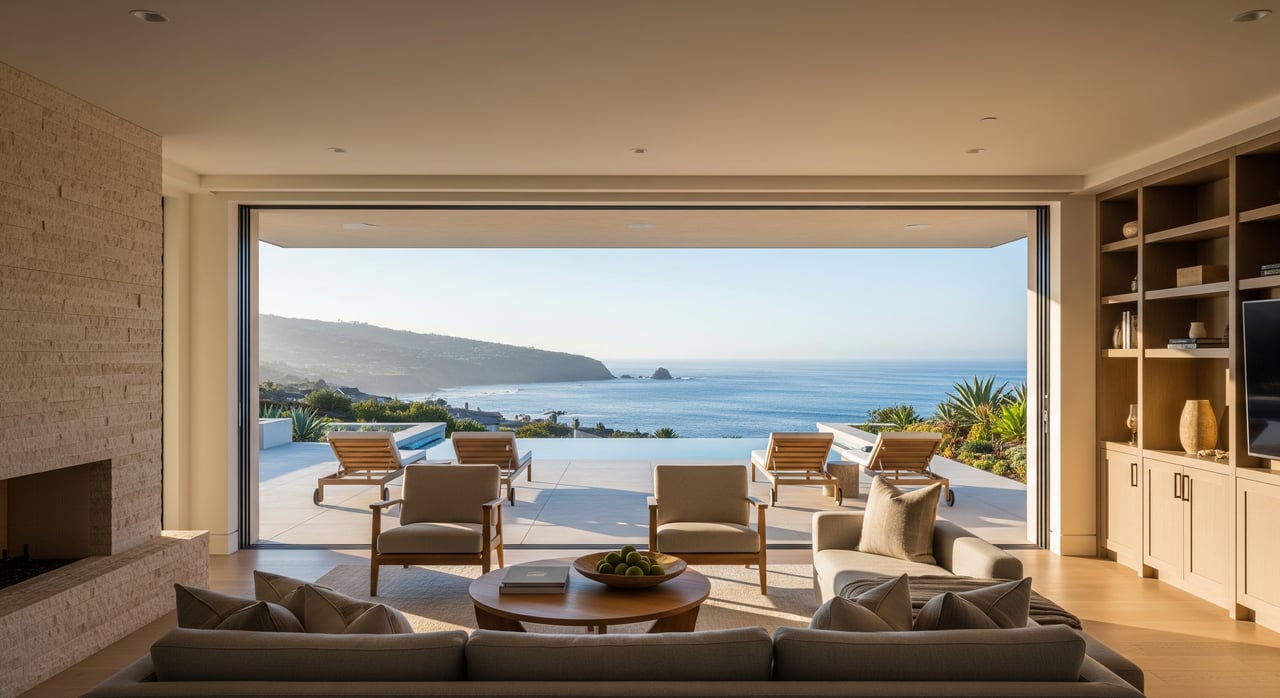
A horizon view offers a clean sightline to the water from key rooms. You see blue water and sunsets with little obstruction. Many buyers view this as the classic Del Mar experience. Value can shift based on how far you are from the beach and whether the view is direct or angled.
Whitewater view
Here you can see the surf breaking and the whitecaps. The motion and texture make the view feel dramatic and alive. Whitewater views often sit on or near the bluff or in close coastal positions. If the view comes from a bluff edge, some buyers want clear evidence that geologic risks are well understood and managed.
Beachfront and front-row
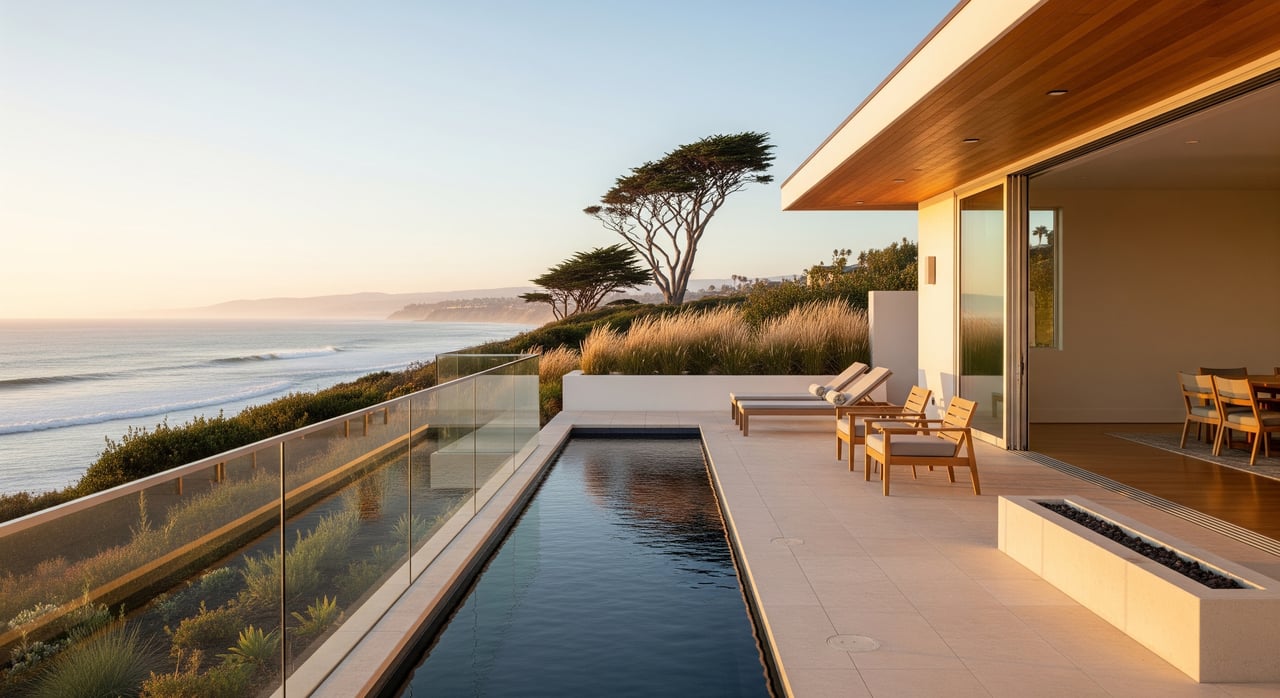
Front-row homes sit directly on or beside the sand with an unobstructed seascape. These are status properties with the highest demand and pricing. They also carry the most exposure to coastal hazards and the strictest permitting reviews, which affects insurance and maintenance costs.
Orientation, privacy, noise, and bluffs
Four setting factors can amplify or erode what buyers will pay for a given view.
Orientation and sun
- West and northwest-facing homes capture sunsets and typical surf views. These orientations are highly sought after in Del Mar.
- South-facing exposures can feel warmer and provide longer sun on outdoor areas. That can be attractive for year-round use.
- An angled or side view usually trades at a discount to a full, frontal west-facing view because the sightline is less direct.
Privacy and sightlines
- Proximity to public access, busy pathways, and parks can reduce privacy. Some buyers will pay less if terraces feel exposed to passersby.
- Elevated bluff or hillside sites can pair strong views with better privacy. Landscaping and architectural screening can help, but they may partially block sightlines, so there is a balance to strike.
Noise factors
- The rail corridor, Coast Highway traffic, beach activity, and events near Powerhouse Park or the Del Mar Fairgrounds are common noise sources.
- Persistent noise can limit how much you enjoy outdoor areas, even with a great view. Many buyers still want the visual premium but will discount if train or crowd noise is intrusive.
Bluff proximity and rules
- Bluff-front properties deliver top-tier whitewater and front-row views, but they come with geologic and regulatory considerations. Erosion and bluff instability are real planning issues in coastal California.
- The City of Del Mar’s Local Coastal Program and the California Coastal Commission typically require geotechnical studies and may limit expansion or structural changes on bluff parcels.
- Buyers often pay premiums for bluff-top views when there is solid documentation of stability and maintenance. Others may discount these homes due to future restriction and insurance concerns.
How view tiers affect price
In Del Mar’s high-price market, small percentage differences can mean large dollar amounts. While every property is unique, buyers and appraisers often see a general pattern in premiums relative to comparable non-view homes:
- Peek view: about 2 to 8 percent
- Horizon view: about 5 to 15 percent
- Whitewater view: about 10 to 30 percent
- Beachfront or front-row: about 20 to 50 percent or more
These ranges are approximate. Supply constraints in Del Mar, buyer type, seasonality, and noise or hazard exposure can push a home toward the high or low end of the range. Hybrid views also exist, such as horizon plus partial whitewater, which can shift value within the band.
Costs, risks, and due diligence
View value is only part of the picture. Net value also depends on risk, cost, and what you can do with the property.
Permits and regulations
- Bluff-front and coastal development often require geotechnical reports and coastal permits. Local rules and the Coastal Commission can limit rebuilds, additions, or certain reinforcements.
- Recorded conditions, covenants, or maintenance obligations may follow the property. These can affect resale and future plans.
Insurance and upkeep
- Coastal exposure can increase insurance costs and limit coverage options, especially on bluff-edge parcels.
- Salt air accelerates wear on metal, windows, and HVAC. Expect higher maintenance budgets and shorter replacement cycles.
Climate and long-term hazards
- Sea-level rise and coastal erosion are long-horizon risks. Use tools like local hazard assessments and planning resources to understand scenarios and potential adaptation limits.
- Recent regional storm seasons and bluff events underscore the value of current geotechnical information.
Noise and neighborhood events
- Train schedules, beach season, and major events can change the feel of a property from weekday to weekend or from winter to summer.
- Always test the property during the times you plan to use it most.
Liquidity and resale
- Front-row luxury homes can be less liquid in softer markets because the buyer pool is more specialized.
- Top-tier views often hold demand across cycles, but pricing strategy and documentation remain critical for a smooth sale.
Smart steps for Del Mar buyers
- Visit at multiple times of day and during busy seasons to evaluate sun, wind, noise, and crowd patterns.
- Verify the permanence of the view. Ask about neighboring development potential and tree maintenance policies.
- If bluff proximity is a factor, obtain a current geotechnical report and review any past stabilization work.
- Check official flood zones and local coastal hazard assessments to understand risk.
- Review the City of Del Mar’s Local Coastal Program history for the parcel and any recorded permits or conditions.
- Confirm insurance availability and premium estimates early.
Strategies for Del Mar sellers
- Present principal rooms and terraces to frame the view. Simple staging choices, like furniture orientation and unobtrusive railings, can make a difference.
- Offer clear, precise language in marketing: “horizon view from great room and primary suite” tends to build more trust than vague claims.
- Provide recent geotechnical documentation and maintenance history for bluff-front or coastal homes. Reducing uncertainty supports stronger offers.
- Plan photography for clear weather and low haze to show the waterline and horizon at their best.
Enhancements that lift view value
- Improve sightlines where allowed. Lower parapets, refine railing systems, or reconfigure terrace edges in compliance with code.
- Add or expand glazing and outdoor living spaces oriented to the water, subject to local rules and bluff setbacks.
- Balance privacy and view by using strategic screening that protects sightlines while reducing exposure.
The takeaway
In Del Mar, view quality, orientation, privacy, noise, and bluff context all shape what buyers will pay. Peek, horizon, whitewater, and front-row views sit on a clear value ladder, but the final price is set by the whole setting and the documentation behind it. When you pair a strong view with the right due diligence, you protect your lifestyle and your investment.
If you are weighing options or want an expert read on a specific property, let’s talk. For a refined, confidential strategy tailored to your goals, connect with Debe McInnis.
FAQs
How much more should a buyer expect to pay for each view tier in Del Mar?
- Typical planning ranges: peek 2 to 8 percent, horizon 5 to 15 percent, whitewater 10 to 30 percent, beachfront 20 to 50 percent or more, with actual premiums shaped by orientation, privacy, noise, and risk.
How do bluff setbacks and geotechnical reports affect financing and permits in Del Mar?
- Bluff parcels often require geotechnical studies and must meet local coastal rules, which can limit expansion or rebuilding; lenders and buyers look for this documentation to assess risk and may price or approve accordingly.
Can a peek view be blocked, and how do you assess that risk in Del Mar?
- Yes, because small sightlines can change with neighbor improvements or tree growth; review nearby zoning and permit history, evaluate potential build-out on adjacent lots, and confirm maintenance policies before you rely on a peek view.
How do train noise and fairground activity impact value and livability near the coast?
- Rail traffic, beach crowds, and events can reduce outdoor enjoyment and some buyers will discount for that; visit during peak times to judge the impact and compare quieter, elevated options.
What should sellers disclose about bluff hazards and coastal risks in Del Mar?
- Provide known geologic and coastal hazards, geotechnical reports, prior permits, stabilization or maintenance work, and any recorded conditions or covenants so buyers can evaluate risk and move forward with confidence.